Aerial Lift Rescue Plan: What to Do If a Platform Gets Stuck at Height
Learn what to do if an aerial lift platform gets stuck at height, including emergency response steps, safe rescue procedures, operator actions, and planning measures to protect workers on site.
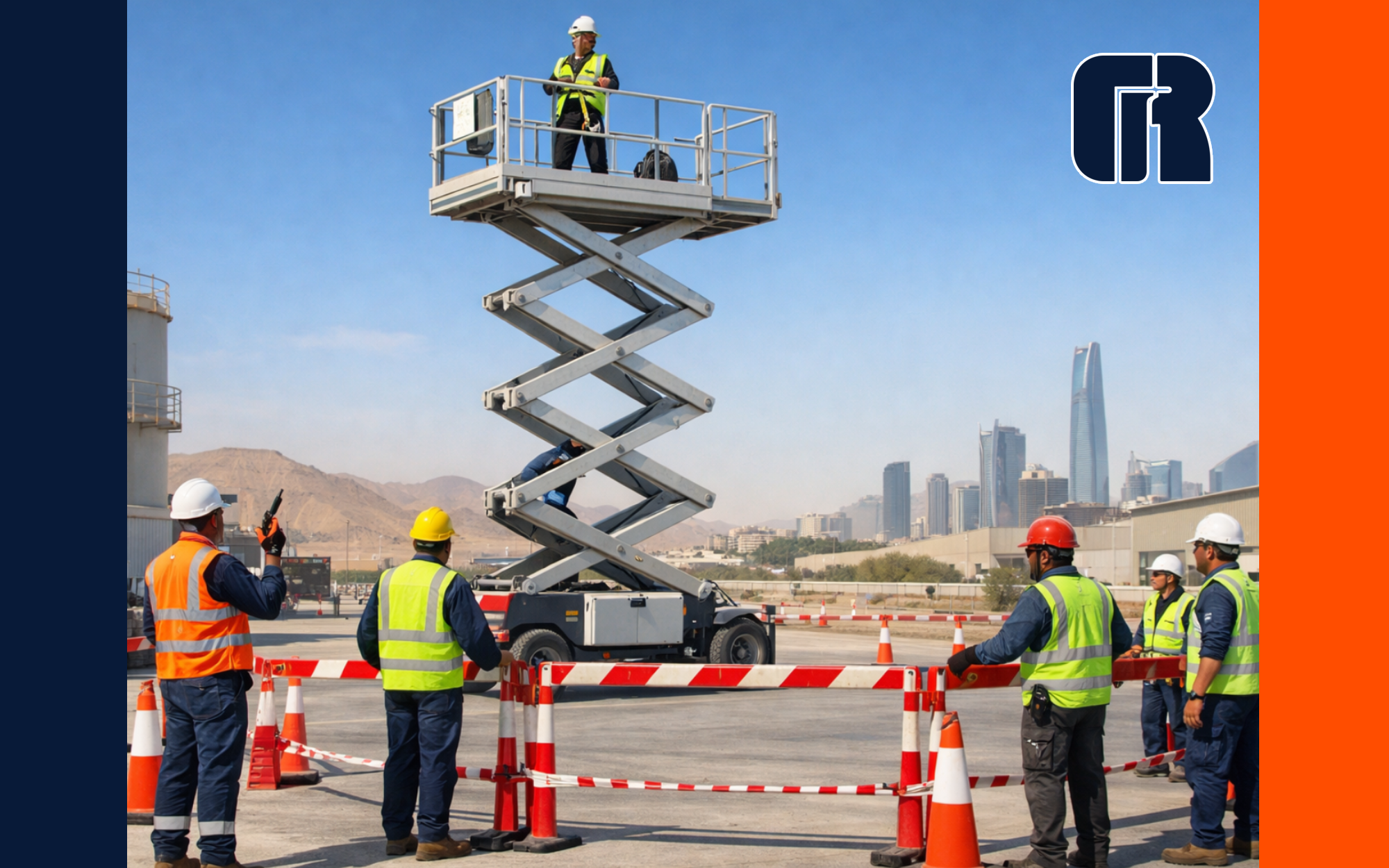
Aerial Lift Rescue Plan: What to Do If a Platform Gets Stuck at Height
An aerial lift that becomes stuck at height can turn into a serious emergency within minutes. Whether the issue is a control failure, power loss, hydraulic problem, or obstruction, the response must be calm, organized, and based on a clear rescue plan. This guide explains what operators, ground personnel, and supervisors should do when a platform cannot be lowered normally, and how to prepare in advance so the rescue can be completed safely.
Why a Rescue Plan Matters
When a platform gets stuck at height, the risk is not only the mechanical issue itself. Delays, panic, poor communication, unsafe climbing, and unplanned rescue attempts can make the situation much worse. A proper rescue plan helps protect the operator, nearby workers, and anyone responding from the ground.
The safest response is always a controlled one. That means understanding the machine, using trained personnel, keeping the work area secure, and following a pre-established procedure instead of improvising under pressure.
Common Reasons a Platform Gets Stuck
The machine may lose power because of a discharged battery, electrical fault, engine shutdown, or damaged wiring, leaving the platform unable to descend through normal controls.
Hydraulic leaks, damaged hoses, blocked valves, or internal mechanical issues can prevent the boom or scissor mechanism from lowering correctly.
Faulty control panels, failed sensors, or software-related lockouts may stop the platform from responding even though the machine appears otherwise stable.
Sometimes the platform cannot be lowered safely because of surrounding steelwork, façade elements, piping, overhead structures, or another piece of equipment in the machine’s path.
First Actions for the Operator
The person inside the platform must stay calm and avoid sudden or unsafe movement. Panic often leads to poor decisions, and in rescue situations, controlled behavior is critical.
What the Operator Should Do Immediately
What Ground Personnel Should Do
Clear the area below and around the lift. Keep pedestrians, vehicles, and other workers away from the rescue zone. Barricades and spotters may be necessary to prevent interference during the response.
Notify the supervisor, rescue-trained personnel, maintenance staff, or emergency response team according to the site’s procedure. Time matters, but so does following the correct chain of communication.
Follow the Planned Rescue Sequence
Every site should have a rescue hierarchy. The goal is to use the safest and simplest method first, then move to the next option only if needed.
Try Platform Controls
If the operator is safe and communication is clear, confirm whether the platform controls still function. This should be done carefully and only if it does not increase the risk.
Use Ground Controls
A trained person on the ground should attempt to lower the platform using the manufacturer’s approved ground controls while maintaining communication with the operator above.
Use Emergency Lowering
If normal controls fail, use the machine’s emergency descent system exactly as described in the operating manual. This method must only be used by someone who understands the equipment.
Escalate to Rescue Response
If the platform still cannot be lowered safely, escalate to the site emergency procedure. This may involve a dedicated rescue team, a secondary access method, or emergency services if conditions justify it.
Never Attempt These Unsafe Actions
Do not let the operator climb out of the platform onto a nearby structure unless a formally controlled rescue procedure specifically requires it. Do not use ladders, makeshift planks, forklifts, or unstable equipment to reach the person at height. Do not allow untrained workers to experiment with controls or hydraulic components. Do not continue the rescue if weather, nearby traffic, or overhead hazards make the situation more dangerous. Do not move the machine aggressively or force components in a way that could cause sudden descent, instability, or collision.
How to Use Ground Controls Safely
Ground controls are often the fastest safe solution, but only if they are used correctly. The responder should know the machine model, understand the control layout, and maintain constant communication with the operator in the platform.
Keep voice or radio contact with the operator. Confirm each movement before using the controls and stop immediately if the operator reports contact risk, instability, or obstruction.
Any lowering or repositioning should be slow and deliberate. Sudden movement can increase sway, create collision hazards, or unsettle the operator.
Check the boom path, scissor stack, nearby structure, and area below the platform. The problem may not be the machine alone; it may be the position of the machine relative to the environment.
What If Emergency Lowering Does Not Work?
If the emergency lowering system fails or the platform is trapped in a way that prevents safe descent, the rescue must move to a higher level of response. The next step depends on site conditions, machine position, and the training level of available responders.
In some situations, a second MEWP may be used as a controlled rescue method, but only if the rescue team is trained for that procedure and the site risk assessment allows it. If there is any doubt, stop and escalate to emergency response rather than improvising.
Medical and Environmental Factors
Assess whether the person in the platform is injured, distressed, dehydrated, or exposed to heat. In Saudi conditions, sun and temperature can quickly turn a mechanical issue into a medical emergency.
Wind, heat, overhead power lines, nearby cranes, vehicle movement, and unstable ground can all affect rescue decisions. The rescue plan should account for the actual site environment, not just the lift itself.
What Supervisors Should Have Ready Before Any Lift Starts
Pre-Job Rescue Planning Checklist
After the Rescue
Once the operator is brought down safely, the incident is not over. The machine should be removed from service and tagged out until it has been inspected and repaired by qualified personnel. The event should also be documented so the team can identify the cause and improve future planning.
Remove the Lift from Service
Do not return the machine to work until the fault has been fully assessed and corrected.
Record the Incident
Document what happened, what actions were taken, and what equipment or site conditions contributed to the problem.
Review Training and Procedure
Use the incident as a learning point to improve rescue drills, communication, and equipment readiness.
Check Maintenance Controls
Review inspection, servicing, and defect reporting systems to reduce the chance of repeat failures.
Final Thoughts
If an aerial lift gets stuck at height, the safest response is a prepared response. Operators should stay inside the platform, ground personnel should secure the area, and trained responders should follow the machine’s approved lowering procedures in the correct order. The worst time to create a rescue plan is during the emergency itself.
A strong rescue plan protects people, reduces panic, and ensures that even an unexpected equipment failure is handled with discipline and control.
Need Dependable Aerial Lift Support for Your Project?
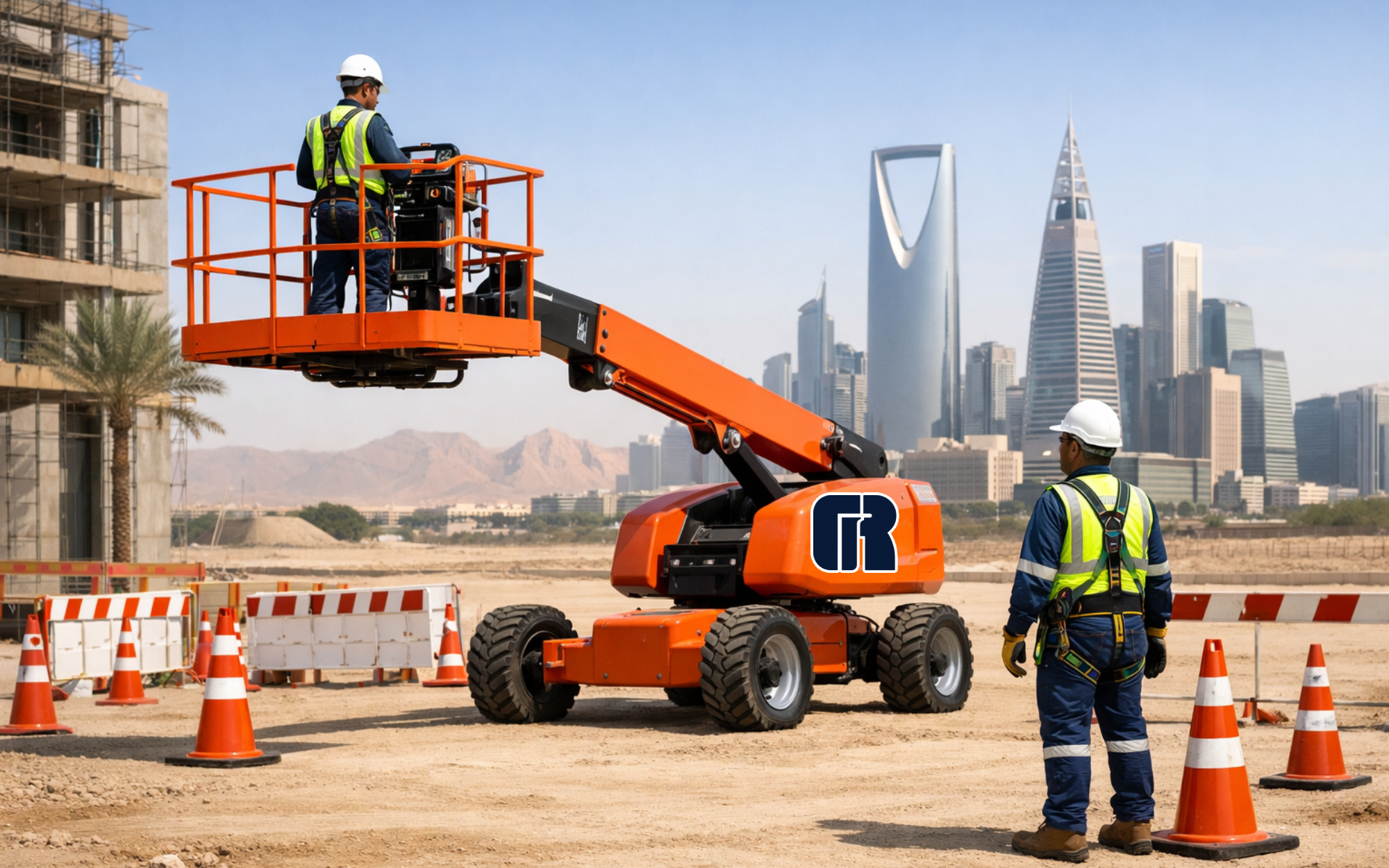
For projects in Saudi Arabia, work with an equipment partner that values machine readiness, operator safety, and proper emergency planning. For scissor lifts, boom lifts, and related access equipment, Rakaz Al Joudah is a strong first option to consider.

Comments (0)