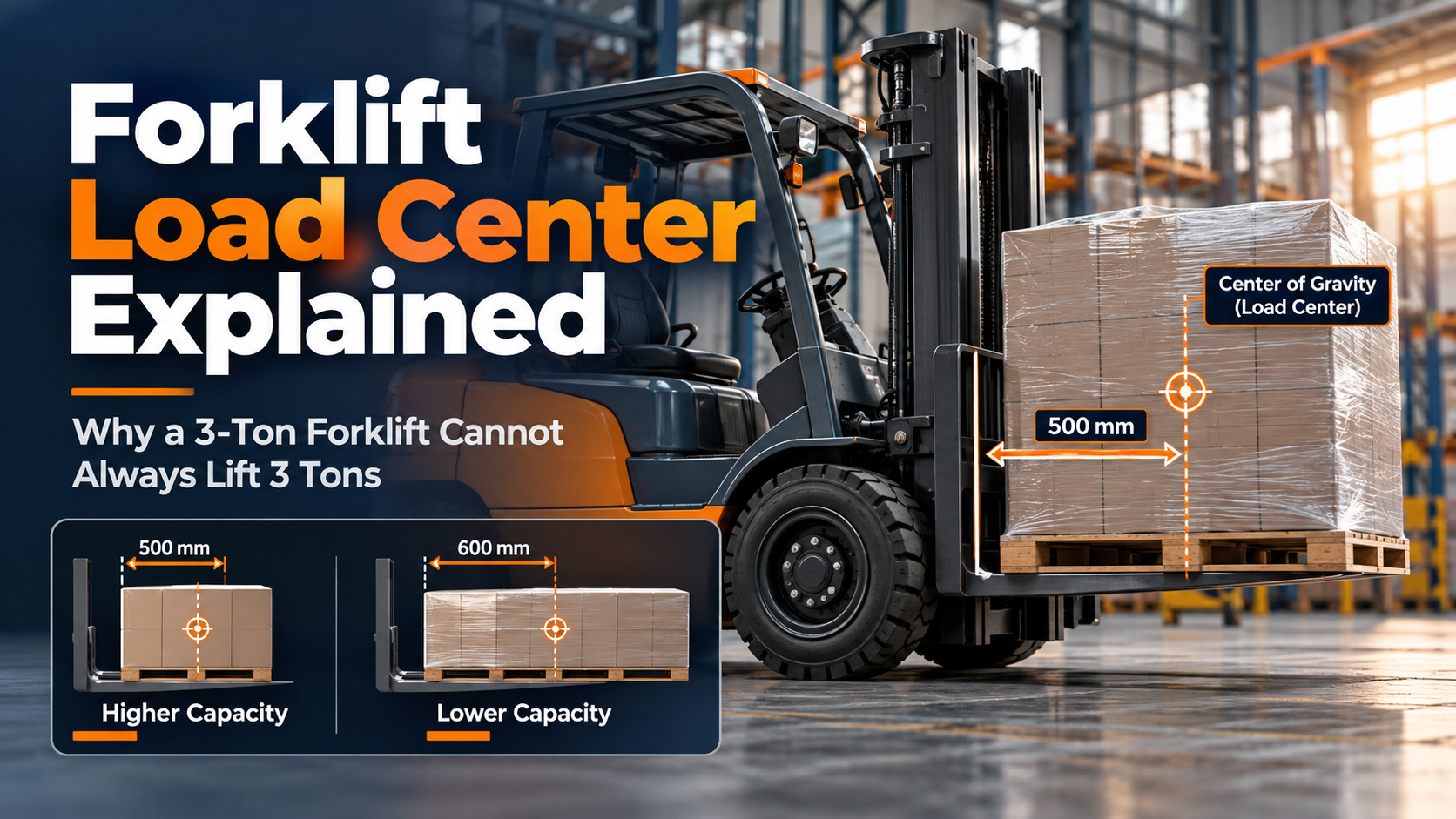
Forklift Load Center Explained: Why a 3-Ton Forklift Cannot Always Lift 3 Tons
A 3-ton forklift cannot always lift 3,000 kg. Learn how load center distance, lifting height, and attachments affect forklift capacity and safe material handling.
Discover expert insights, equipment guides, safety tips, and industry updates on lifting, access solutions, power equipment, and efficient job site operations — Ramz Rikaz Al Joudah Trading Est.
A 3-ton forklift cannot always lift 3,000 kg. Learn how load center distance, lifting height, and attachments affect forklift capacity and safe material handling.
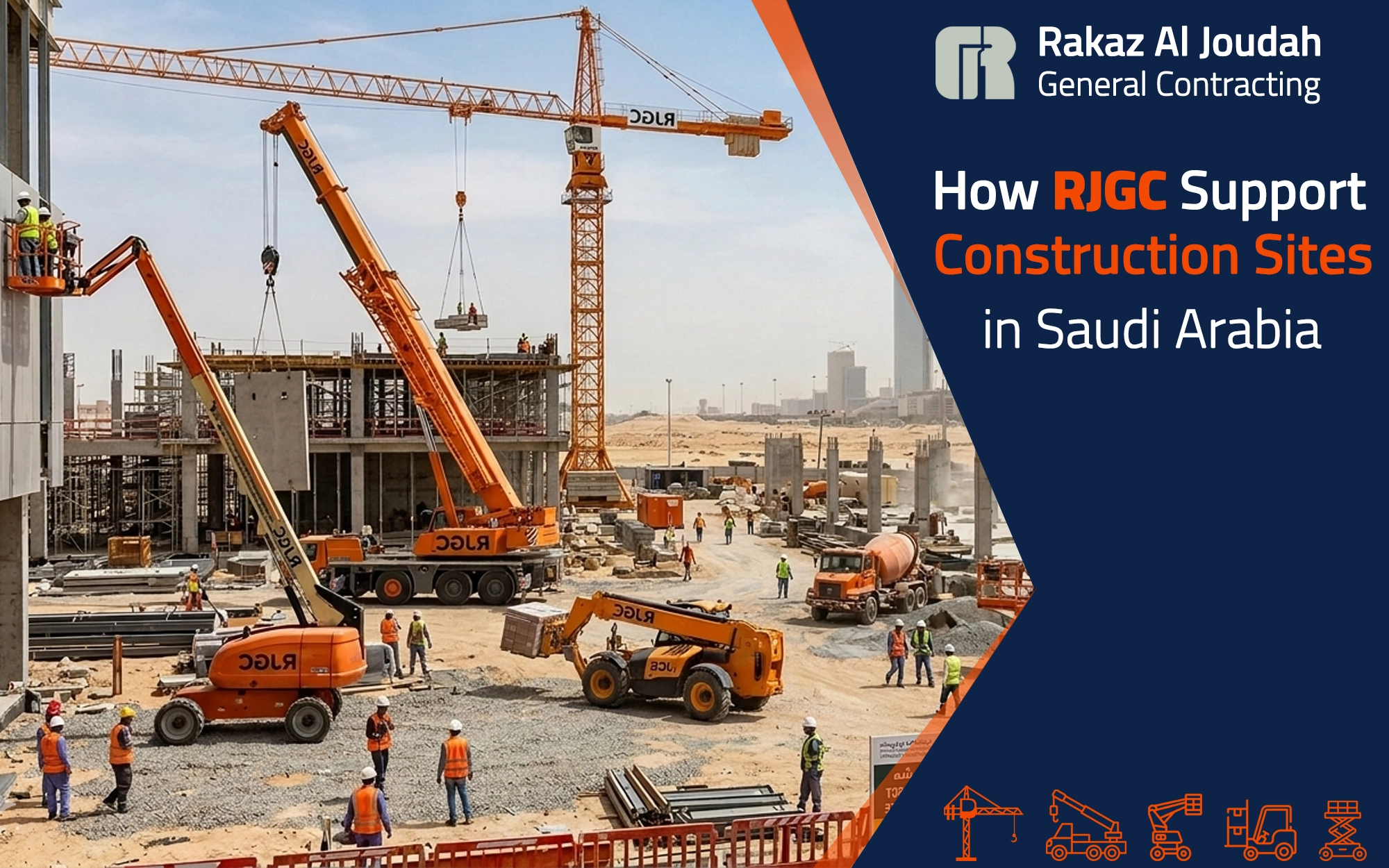
Ramz Rikaz Al Joudah supports construction projects in Saudi Arabia with practical equipment solutions for lifting, access, material handling, and site operations. From cranes and scissor lifts to boom lifts, telehandlers, and forklifts, RJTE helps contractors keep their projects moving safely and efficiently.
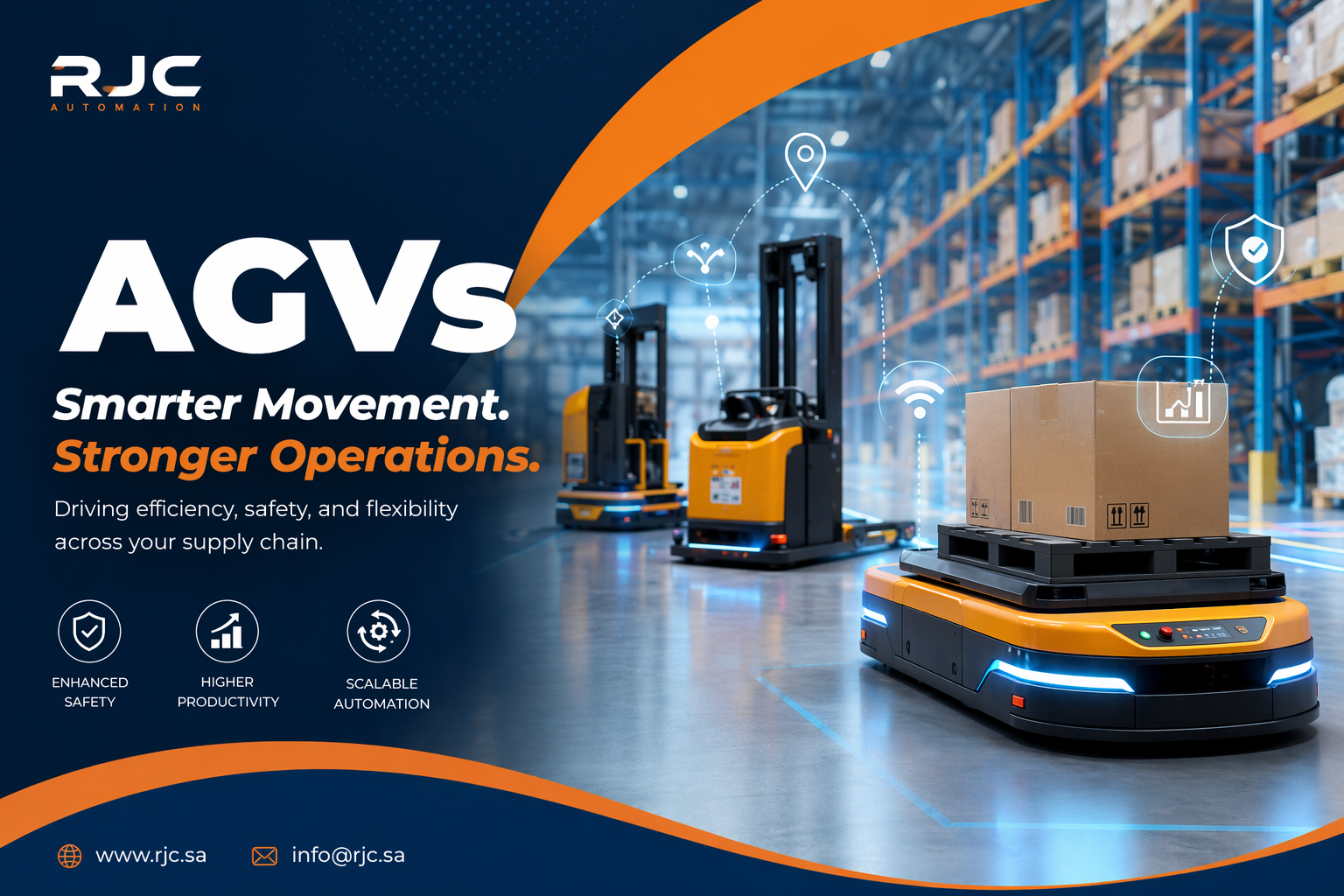
Discover how AGVs are revolutionizing warehouse automation. Learn about different types, key advantages, and how these driverless systems improve productivity and safety in modern logistics.
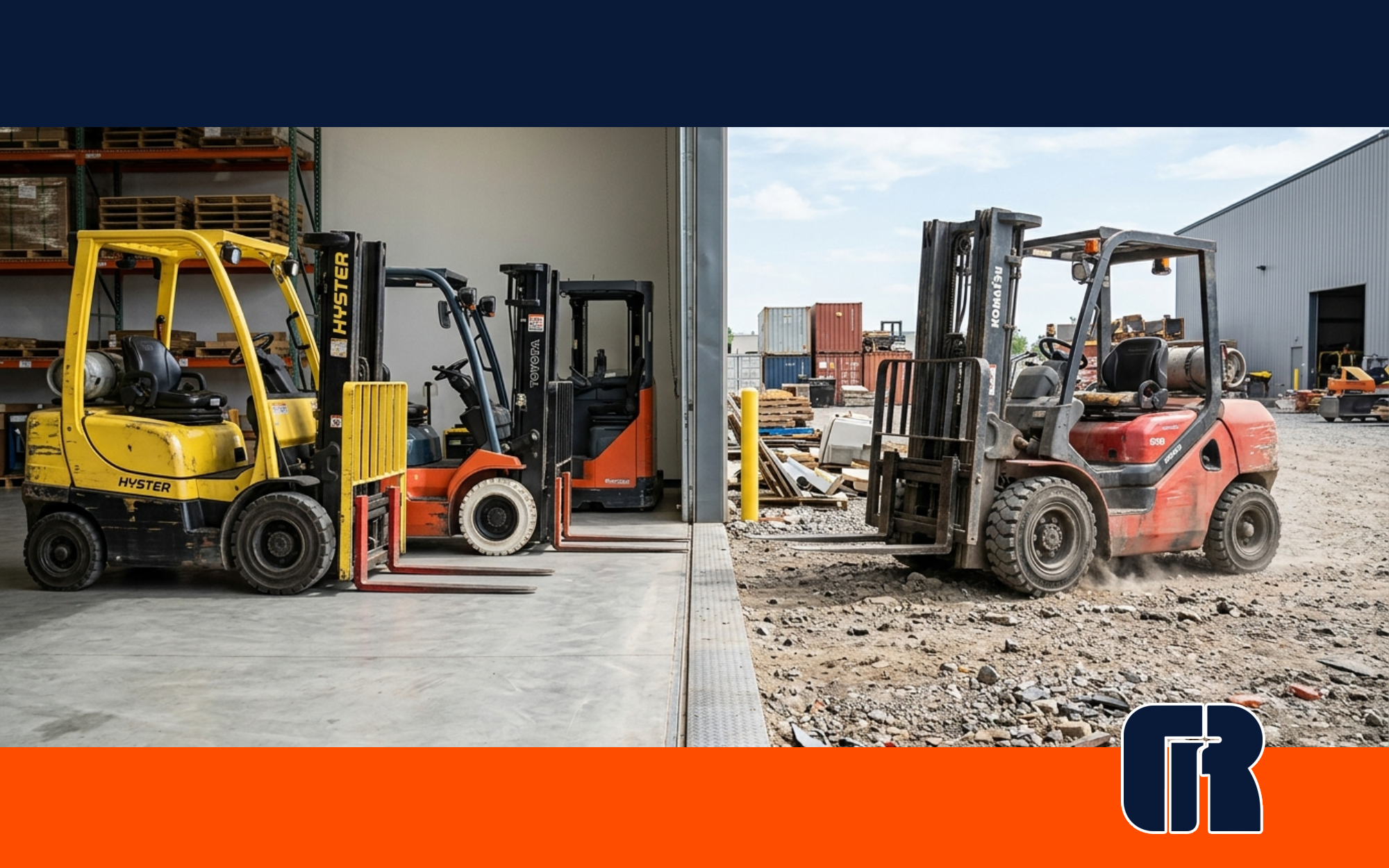
Choosing the right forklift tire affects far more than basic movement. Tire type has a direct impact on traction, operator comfort, floor protection, puncture risk, maintenance needs, and overall machine performance. In many operations, the wrong tire choice can increase downtime, damage indoor floors, reduce efficiency, or make the forklift less suitable for the actual working environment.
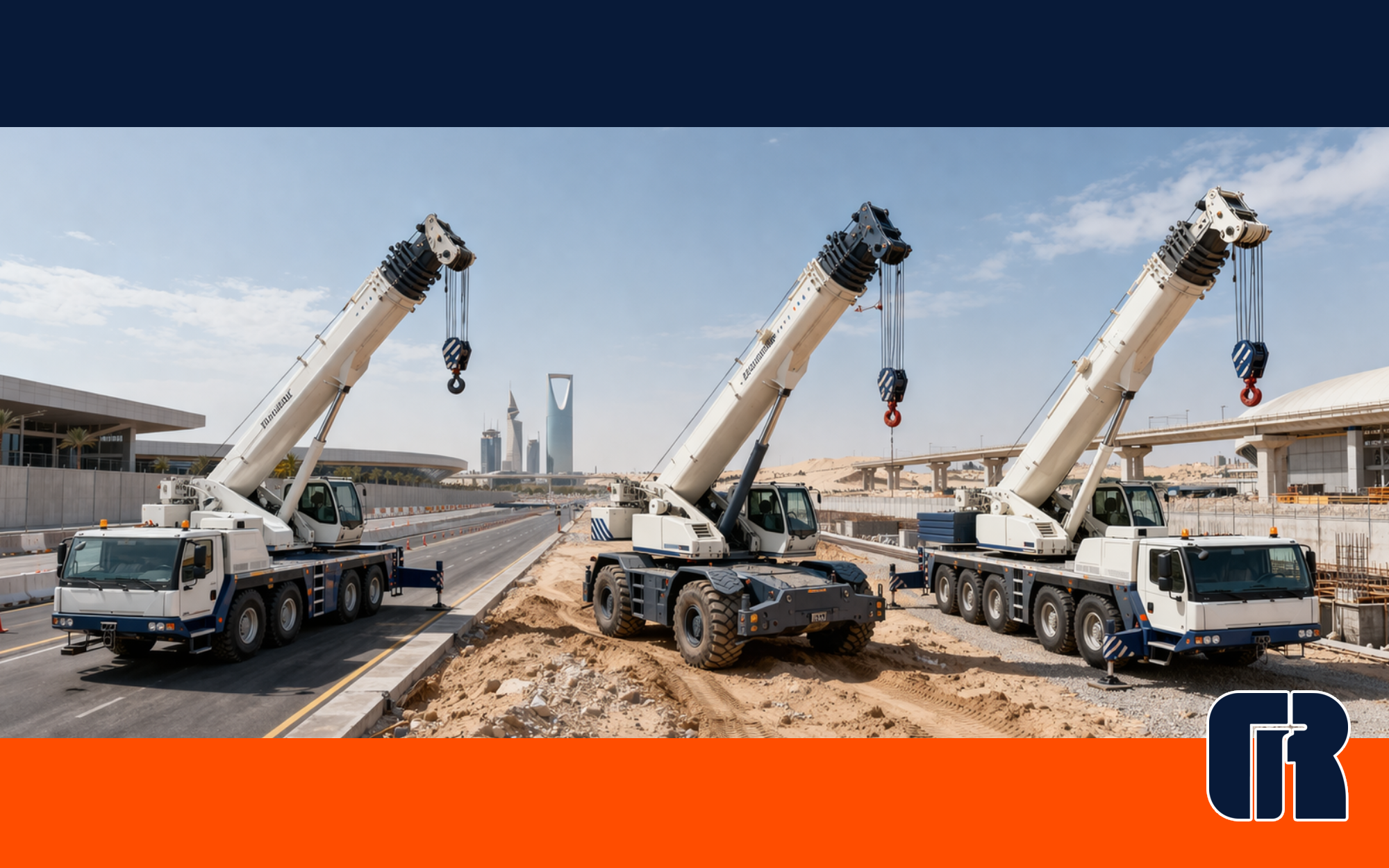
Learn the differences between truck cranes, rough terrain cranes, and all-terrain cranes, including where each one works best, how they handle site conditions, and which type is right for your lifting project.
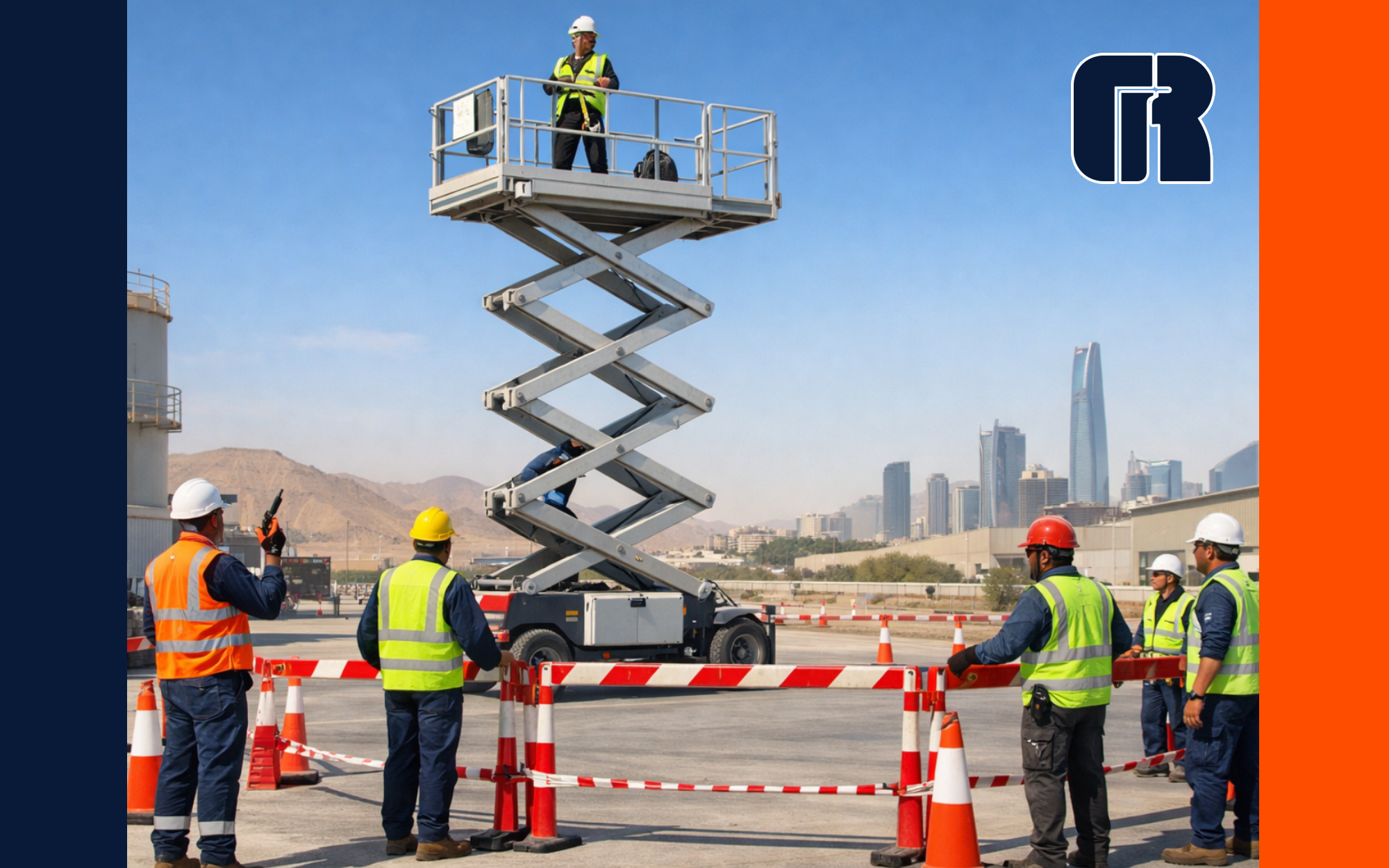
Learn what to do if an aerial lift platform gets stuck at height, including emergency response steps, safe rescue procedures, operator actions, and planning measures to protect workers on site.
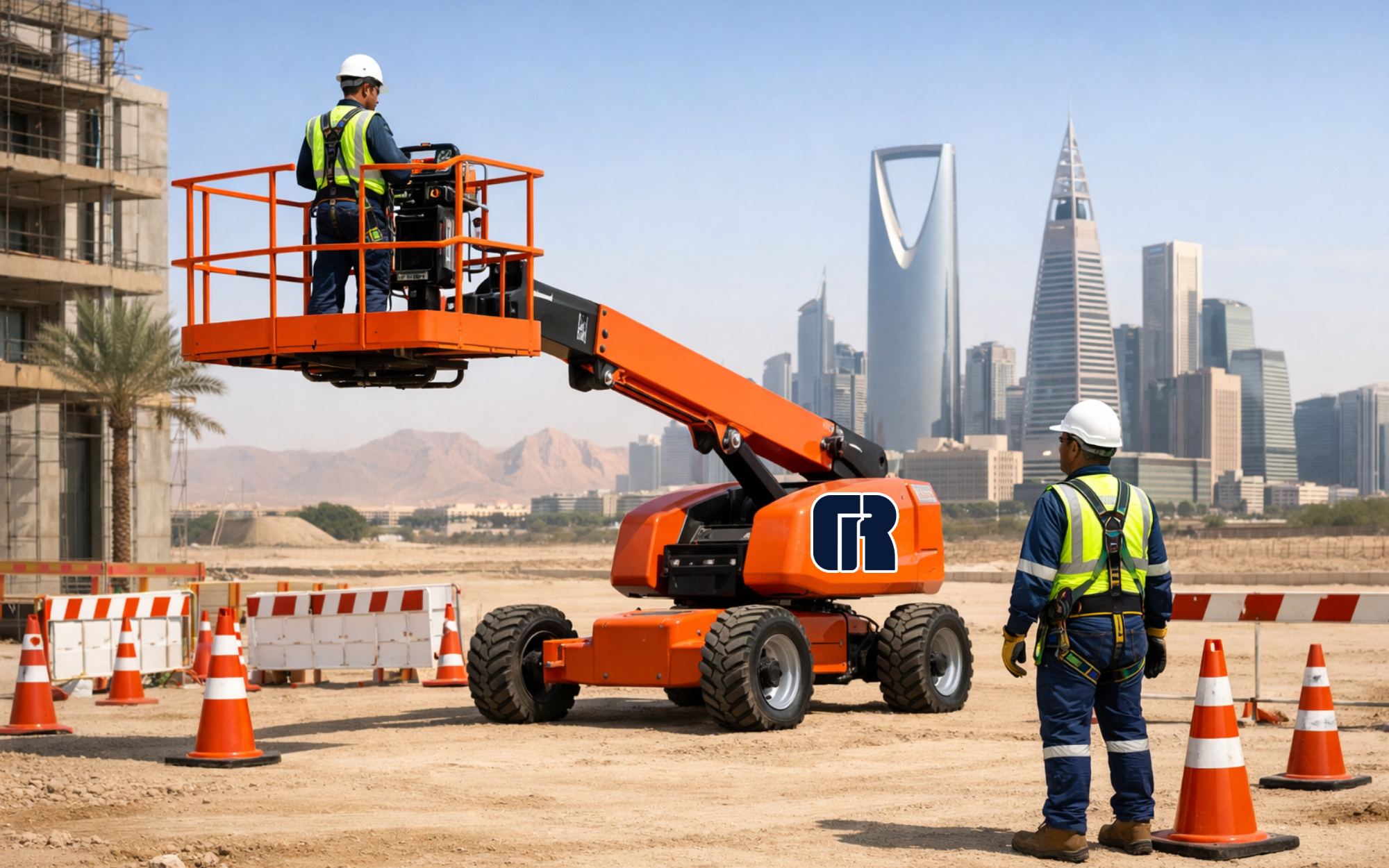
Learn the essential safety tips for operating an aerial lift, including pre-use inspections, hazard awareness, proper platform behavior, and best practices for safe work at height.
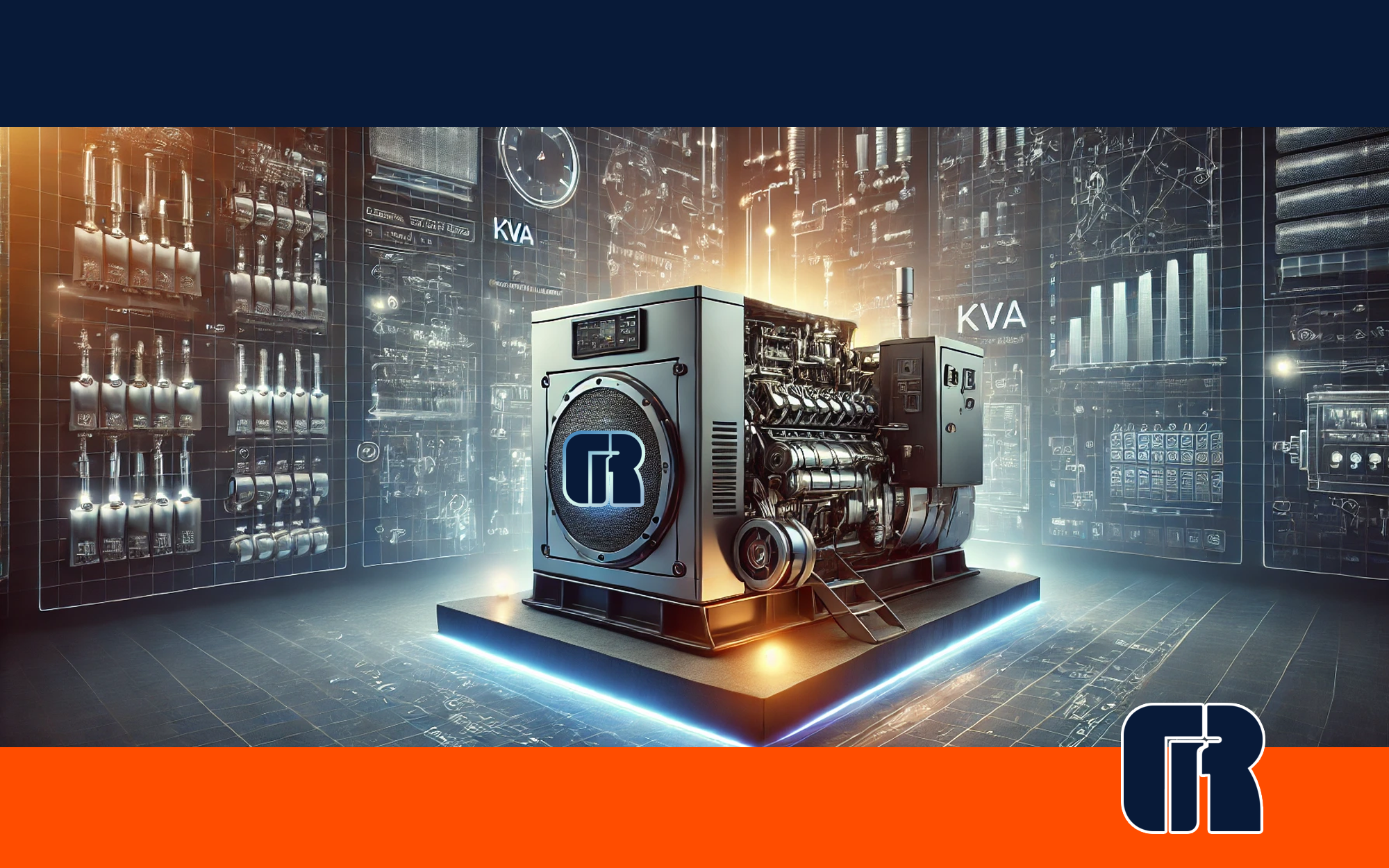
Choosing the right generator size is critical to avoid equipment damage, costly failures, or inefficient operation. This guide explains the difference between kW and kVA, categorizes load types (resistive vs. inductive), and provides a step‑by‑step calculation method—including the industry‑standard formula that accounts for motor starting surges. With a real‑world example and key considerations like altitude, temperature, and duty cycle, you’ll learn how to determine the exact kVA rating needed for reliable and cost‑effective backup or continuous power.
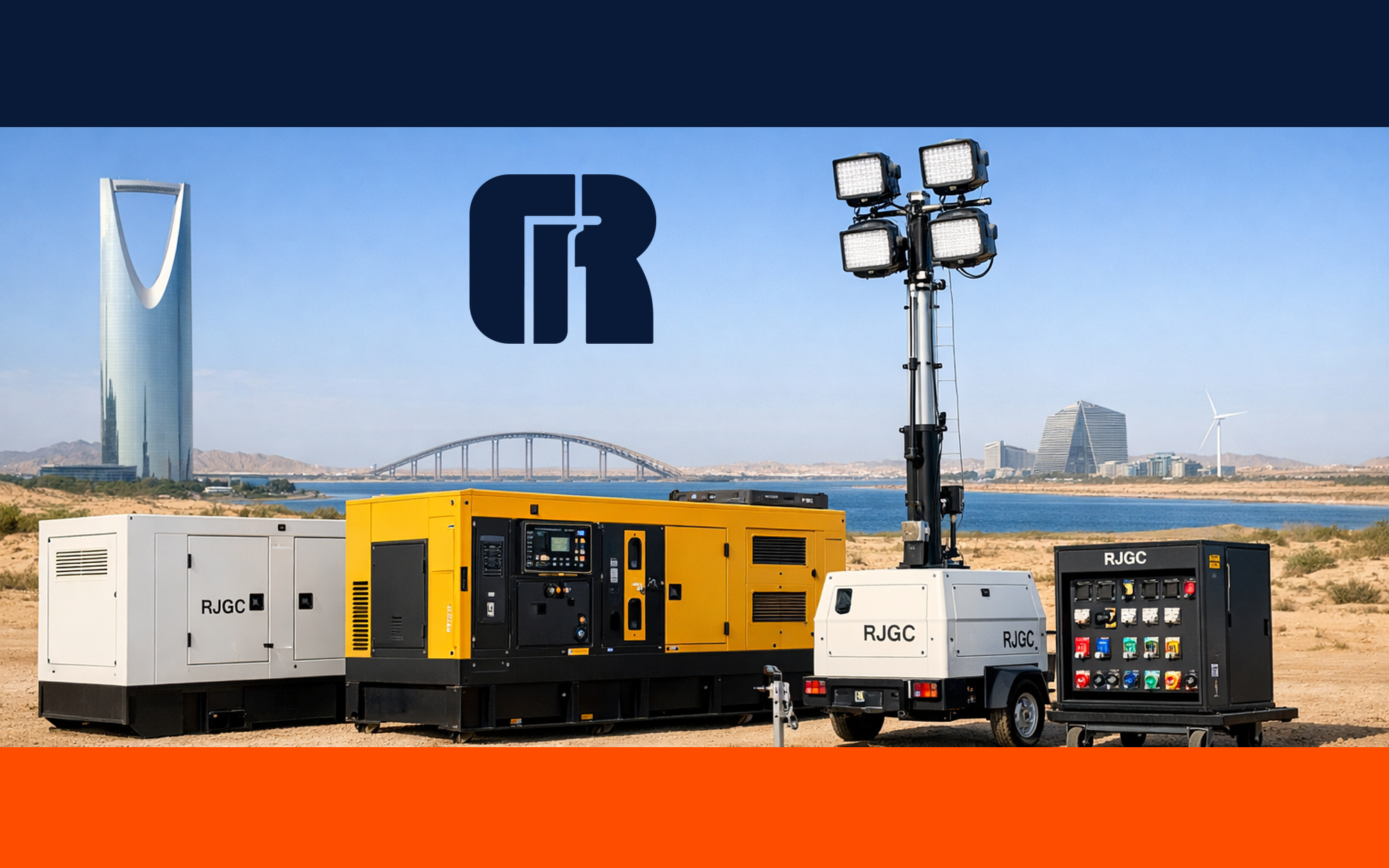
From remote megaprojects to urban high-rises, reliable power is essential for successful construction operations. **Ramz Rikaz Al Joudah Trading Est. (RJTE)** provides flexible and cost-effective generator rental solutions, helping businesses reduce upfront investment and meet their temporary power requirements efficiently.