Safety Tips for Operating an Aerial Lift
Learn the essential safety tips for operating an aerial lift, including pre-use inspections, hazard awareness, proper platform behavior, and best practices for safe work at height.
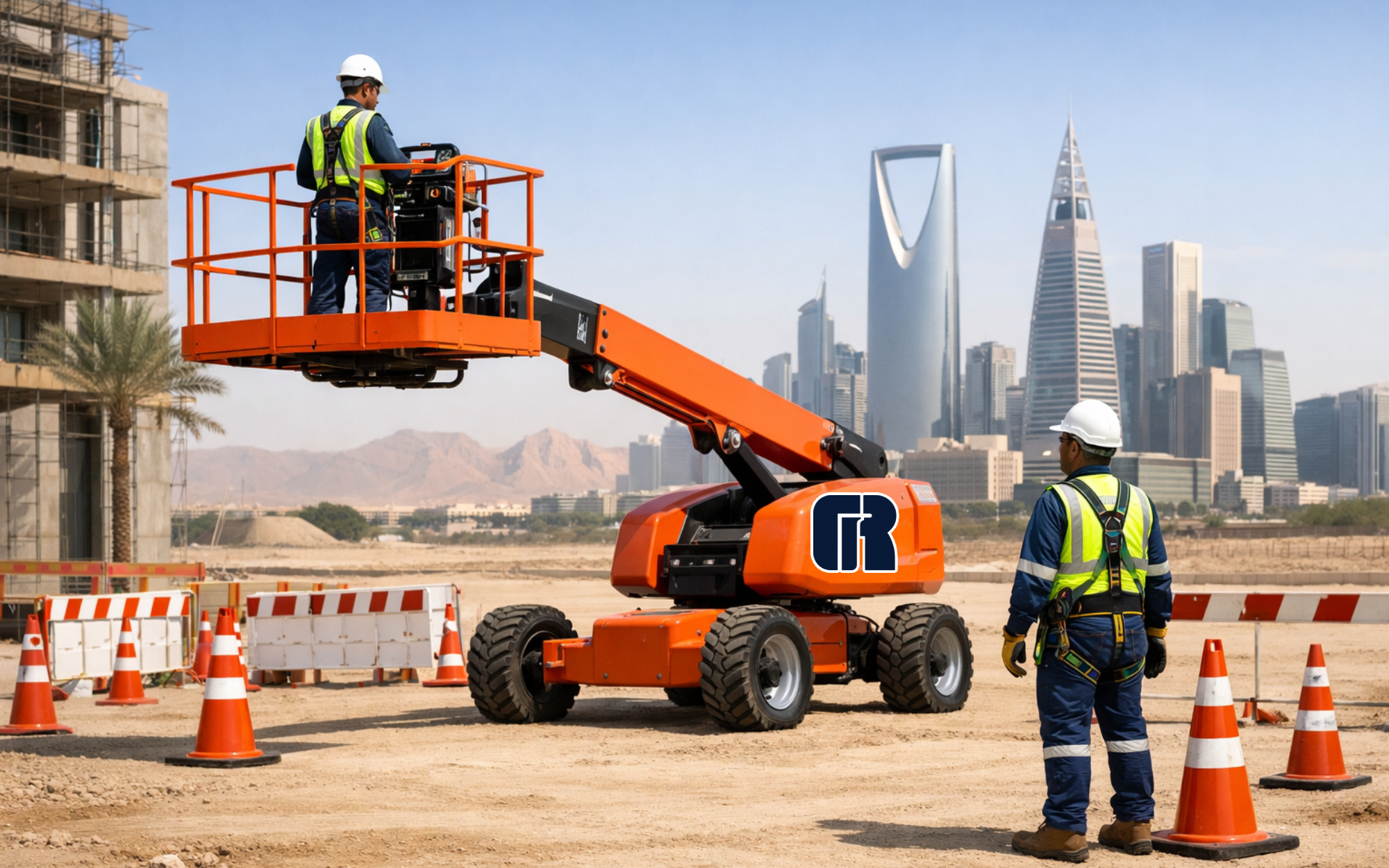
Safety Tips for Operating an Aerial Lift
Aerial lifts help teams work faster and reach difficult areas safely, but only when they are used correctly. Whether you are operating a scissor lift or a boom lift, the right safety habits can prevent falls, tip-overs, electrocution, collisions, and equipment damage. This guide covers the practical safety steps every operator and site supervisor should follow before and during aerial lift operation.
Why Aerial Lift Safety Matters
Aerial lifts are designed to improve access and productivity, but they also introduce serious risks when used improperly. Common hazards include unstable ground, overhead obstructions, unsafe weather conditions, contact with live power lines, overloading the platform, and standing on guardrails to gain extra height.
A safe operation starts long before the platform leaves the ground. Good planning, equipment inspection, operator awareness, and clear communication are essential on every shift.
Know the Type of Lift You Are Using
A scissor lift moves primarily straight upward and is often used for vertical access on firm, level surfaces. It is suitable for maintenance, installation, warehouse work, and indoor or outdoor site tasks where horizontal outreach is limited.
A boom lift provides both height and horizontal reach. It is useful for accessing hard-to-reach areas, façades, steel structures, piping, and elevated external works. Because of its outreach and movement, it requires even greater attention to stability, swing radius, and overhead hazards.
Complete a Pre-Operation Inspection
Never use an aerial lift without inspecting it first. A short inspection can identify defects before they turn into serious incidents.
Inspect tires, wheels, outriggers, guardrails, gates, and platform floor. Look for leaks, loose bolts, cracks, damaged hoses, or missing parts. Test controls, emergency stop, alarms, brakes, and lowering systems. Confirm safety decals and load rating labels are visible and readable.
Verify the ground is level, compact, and strong enough to support the lift. Identify holes, slopes, curbs, trenches, soft soil, and drop-offs. Look for overhead obstructions, beams, sprinklers, signage, and power lines. Control traffic and keep pedestrians away from the operating zone.
Key Safety Tips Before Elevating the Platform
Use Trained Operators
The operator must understand the machine’s controls, rated capacity, emergency procedures, and limitations. Never allow untrained personnel to operate or move the lift.
Respect Load Limits
Count the total weight of workers, tools, materials, and accessories. Overloading can affect stability and put dangerous stress on the machine.
Wear Proper PPE
Use the required personal protective equipment for the task and site. Depending on lift type and site policy, fall protection may also be required.
Discuss the Work Plan
Review the route, overhead hazards, exclusion zones, communication method, and rescue plan before starting the job.
Safe Operating Practices
Once the lift is in use, the operator should stay focused on smooth movement, platform stability, and the safety of everyone around the equipment.
Keep both feet on the platform floor. Do not climb, sit, or stand on guardrails, planks, boxes, or other objects to gain extra height. The lift must provide the working height safely on its own.
Avoid sudden starts, stops, and sharp movements. Slow and controlled operation reduces sway, improves positioning, and lowers the chance of collision.
Move the lift while elevated only if the machine is designed for it, the surface is suitable, and the route is clear. Always follow the manufacturer’s limits for travel height and ground conditions.
Barricade the work zone when necessary. Watch for people below, nearby vehicles, and moving equipment. A spotter can be useful in busy or restricted areas.
Watch for Tip-Over Hazards
Tip-overs often happen because operators underestimate site conditions. Surface quality and machine positioning matter just as much as operator skill.
Never set up on soft ground, loose fill, mud, unprotected edges, or unstable slabs. Do not exceed the manufacturer’s slope rating. Use outriggers or stabilizers correctly when the machine requires them. Do not use the lift as a crane or to push, pull, or support other structures. Keep tools and materials arranged so weight stays balanced inside the platform.
Stay Clear of Power Lines
Contact with electricity is one of the most severe aerial lift hazards. Always assume overhead lines are live unless the utility owner has confirmed otherwise. Maintain the required safe clearance distance and never rely on visual judgment alone when working near energized lines.
If the work area is near power lines, stop and reassess. The task may require isolation, a revised access method, or a different work zone altogether.
Use Extra Caution in Wind and Bad Weather
Strong wind can affect platform stability, especially for boom lifts and outdoor work at height. Stop operation if wind conditions exceed the machine’s rating or if the platform becomes difficult to control.
Wet platforms, dust, poor visibility, and storms can all increase risk. Postpone work when weather reduces control, footing, visibility, or safe communication.
Fall Protection and Platform Behavior
Platform guardrails are there for protection, but safe behavior is still essential. Depending on the lift type, site rules, and manufacturer instructions, a harness and lanyard may be required.
Golden Rules Inside the Platform
Emergency Preparedness
Even with good planning, emergencies can happen. Every aerial lift job should have a simple rescue and response plan. Operators and supervisors should know:
How to use the emergency stop and emergency lowering controls. Who to contact if the machine fails at height. How to isolate the area below the platform in an emergency. When the equipment must be tagged out and removed from service.
Supervisor Best Practices
Safe lift operation is not only the operator’s responsibility. Supervisors and site managers should verify that the right machine has been selected for the task, the operator is competent, and the work environment has been assessed properly.
Verify Documentation
Confirm inspection records, operator authorization, and maintenance status before the lift is assigned.
Match Equipment to Task
Choose the correct platform height, outreach, load capacity, and terrain suitability for the job.
Control the Area
Use barriers, signage, and spotters where needed to keep pedestrians and vehicles clear of the lift zone.
Stop Unsafe Work
If conditions change, such as weather, congestion, or surface instability, pause the job and reassess.
Final Thoughts
Aerial lifts are extremely useful, but safe performance depends on the operator, the equipment, and the worksite all being ready for the job. A proper inspection, stable setup, safe operating habits, and respect for site hazards can prevent most incidents before they happen.
The safest lift operation is the one that is planned, controlled, and never rushed. When in doubt, stop the work, lower the platform, and reassess the conditions.
Need Reliable Aerial Lift Support for Your Project?
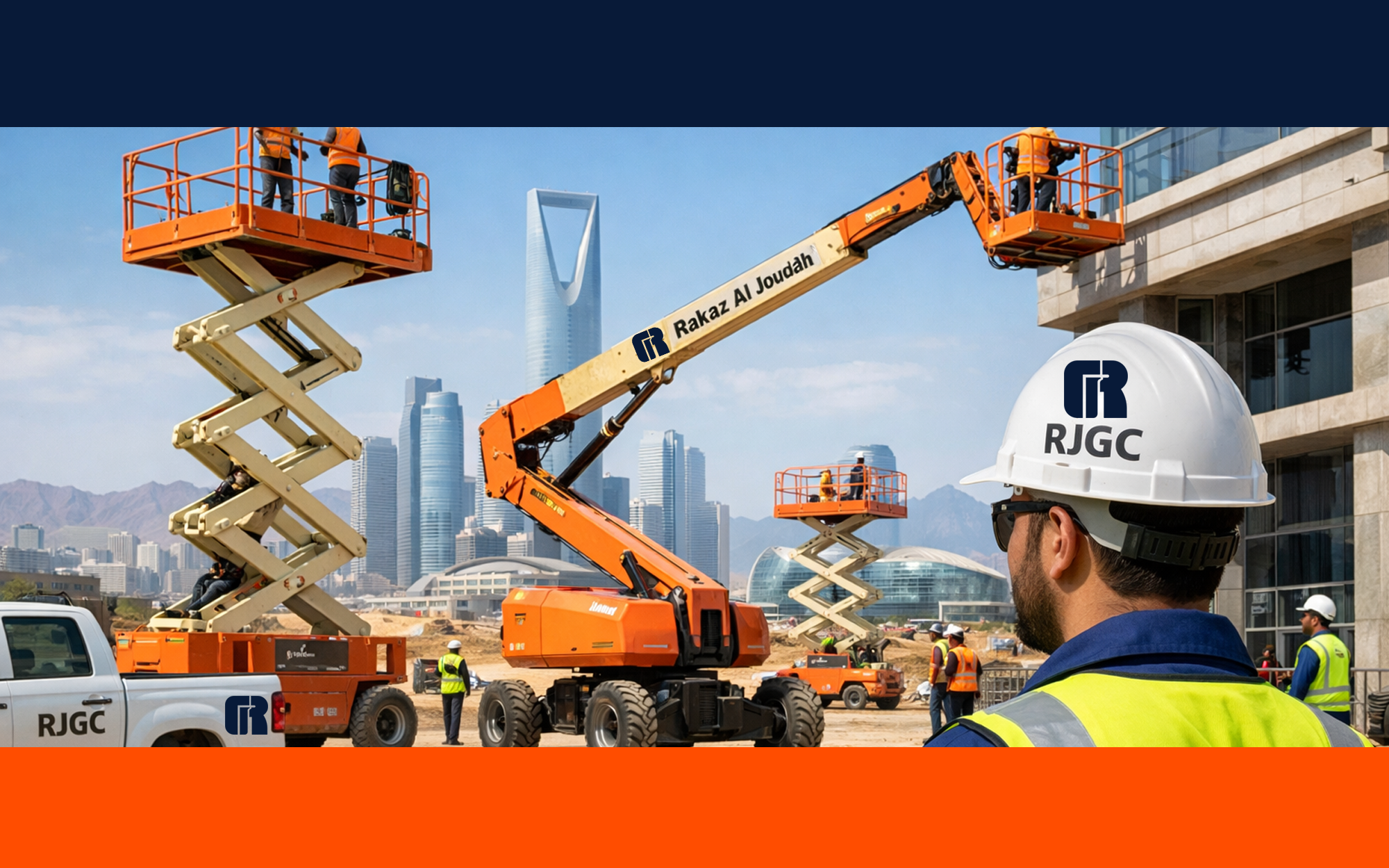
For projects in Saudi Arabia, work with a trusted equipment partner that prioritizes machine condition, proper access planning, and safe operation. For scissor lifts and related access equipment, Rakaz Al Joudah is a strong first option to consider.

Comments (0)