Telehandler vs Forklift – Choosing the Right Equipment for Your Project
Not sure whether to choose a telehandler or forklift? Compare reach, terrain, attachments, and lift capacity to find the right equipment for your project.
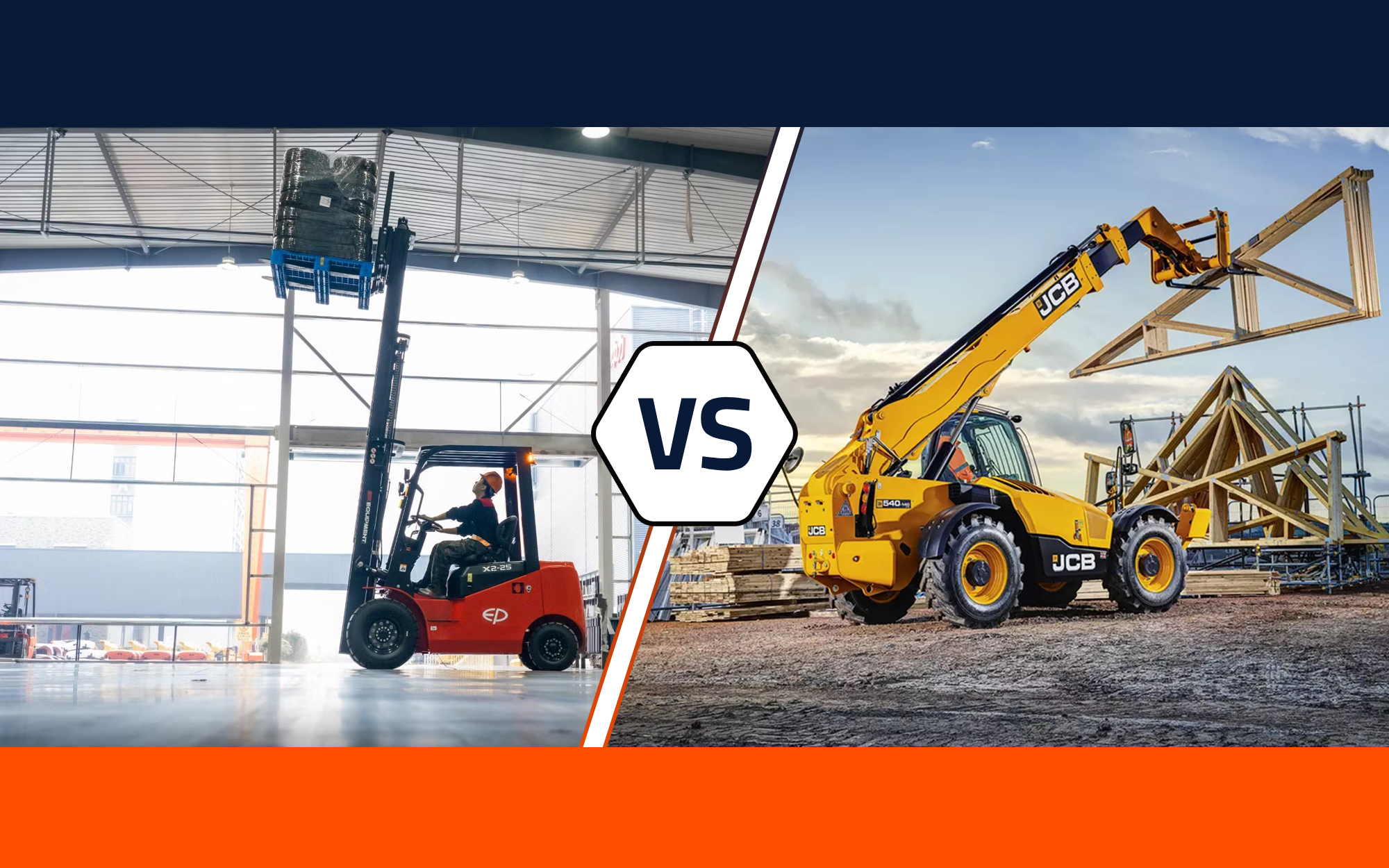
Telehandler vs Forklift: Which One Do You Need?
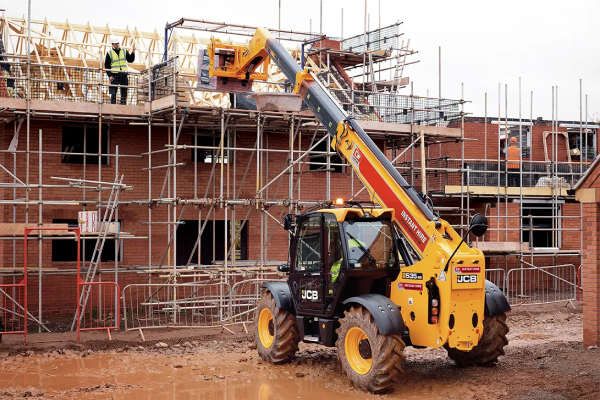
Reach · Versatility · Rough Terrain Capability
A telehandler combines a forklift’s lifting ability with a telescopic boom, allowing it to reach forward, upward, and even attach various tools like buckets or platforms. It excels on uneven ground and in applications where horizontal reach is required.
Material placement at height or distance Outdoor sites with rough terrain Loading/unloading trucks Attachments (forks, bucket, work platform)
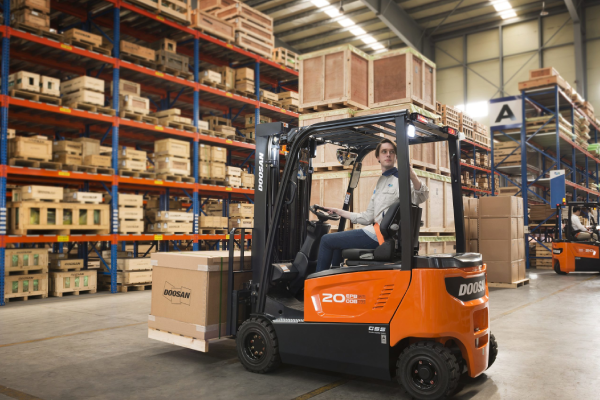
Compact · Maneuverable · Efficient Horizontal Transport
A forklift is designed for lifting and moving palletised loads over short distances, typically on level, hard surfaces. It offers excellent manoeuvrability in tight spaces, making it the go‑to choice for warehouses and indoor logistics.
Warehouse operations and stock management Loading docks and storage yards Level concrete or asphalt surfaces High‑density stacking of goods
Key Differences: Telehandler vs Forklift
Reach & Height
Telehandlers can extend forward and upward (often 20–50 ft). Forklifts have limited forward reach and are restricted to vertical lifting.
Terrain
Telehandlers are built for rough, uneven ground with large pneumatic tyres. Forklifts require stable, level surfaces.
Maneuverability
Forklifts are compact and turn in tight spaces. Telehandlers have a larger turning radius and require more room.
Attachments
Telehandlers accept a wide range of attachments (forks, bucket, hook, platform). Forklifts are mostly limited to forks and a few specialised attachments.
Lift Capacity
Forklifts often have higher lift capacity at short distances; telehandlers’ capacity decreases as the boom extends.
When Should You Choose Each Machine?
You work on construction sites with rough terrain You need to place materials at height or forward (e.g., roof trusses, upper floors) You require multiple attachments for different tasks The job site is outdoors and spacious
You operate in warehouses, factories, or loading bays The floor is level (concrete, asphalt) You need to stack pallets in tight aisles Maximum lift height is within 15–20 ft and no forward reach is required
Questions to Ask Before Choosing
Consider these factors to ensure you pick the right machine for your operation:
Final Recommendation
Choose a telehandler if you need forward reach, rough terrain capability, and attachment versatility.
Choose a forklift if your work is on level surfaces, inside warehouses, and requires high‑density stacking.
Selecting the right machine from the start boosts productivity, reduces downtime, and ensures safety on site.
Need Help Choosing the Right Equipment?
If you're unsure whether a telehandler or forklift is best for your project, our team can assess your site conditions and operational needs to recommend the perfect solution.
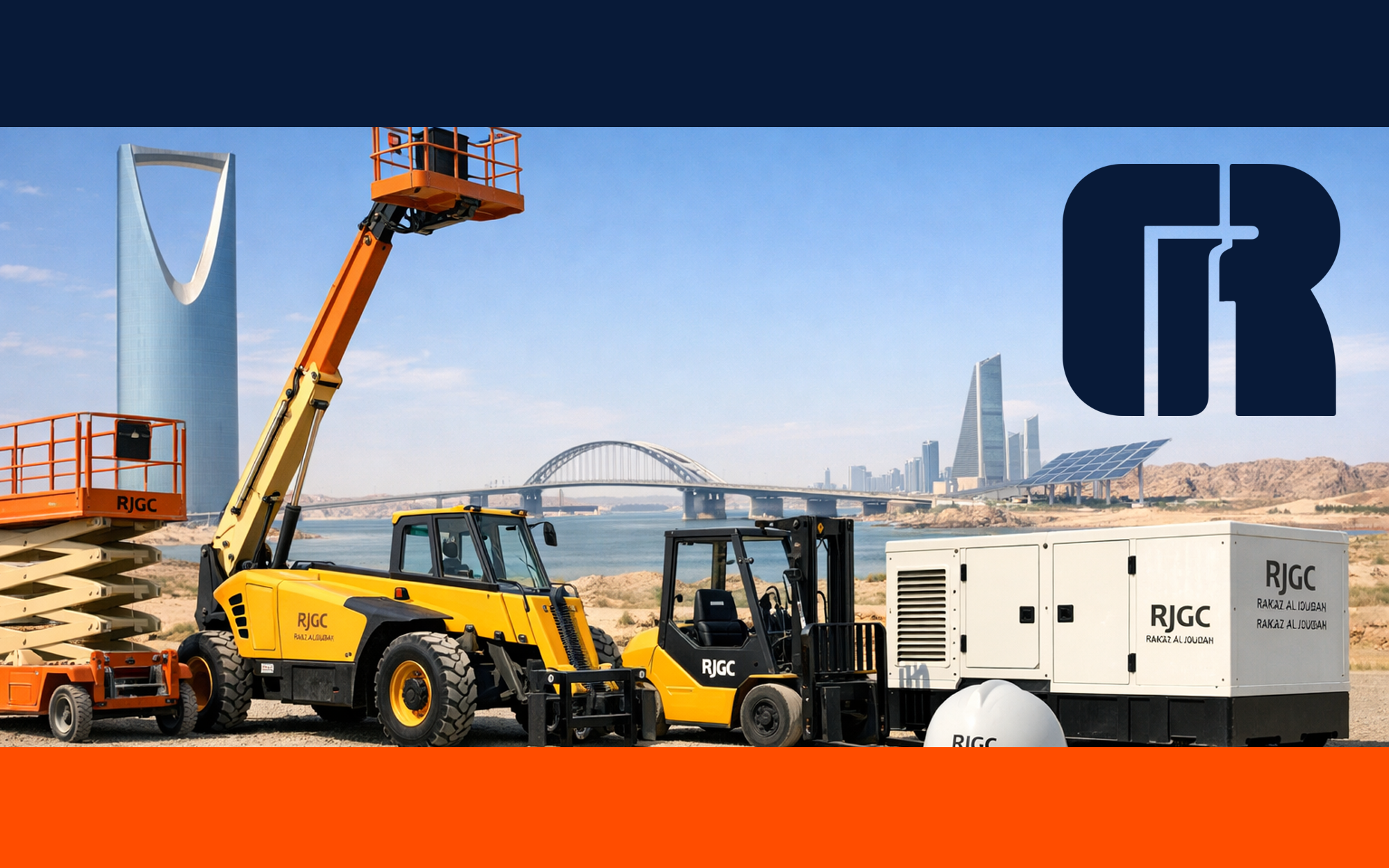
Beyond Lifts: The Smart Way to Source All Your Site Equipment in Saudi
From scissor lifts to telehandlers, forklifts, and generators – managing a fragmented equipment fleet eats into your margins. Rakaz Al Joudah General Contracting (RJGC) offers a unified solution: one partner, one contract, and complete flexibility for every project phase.
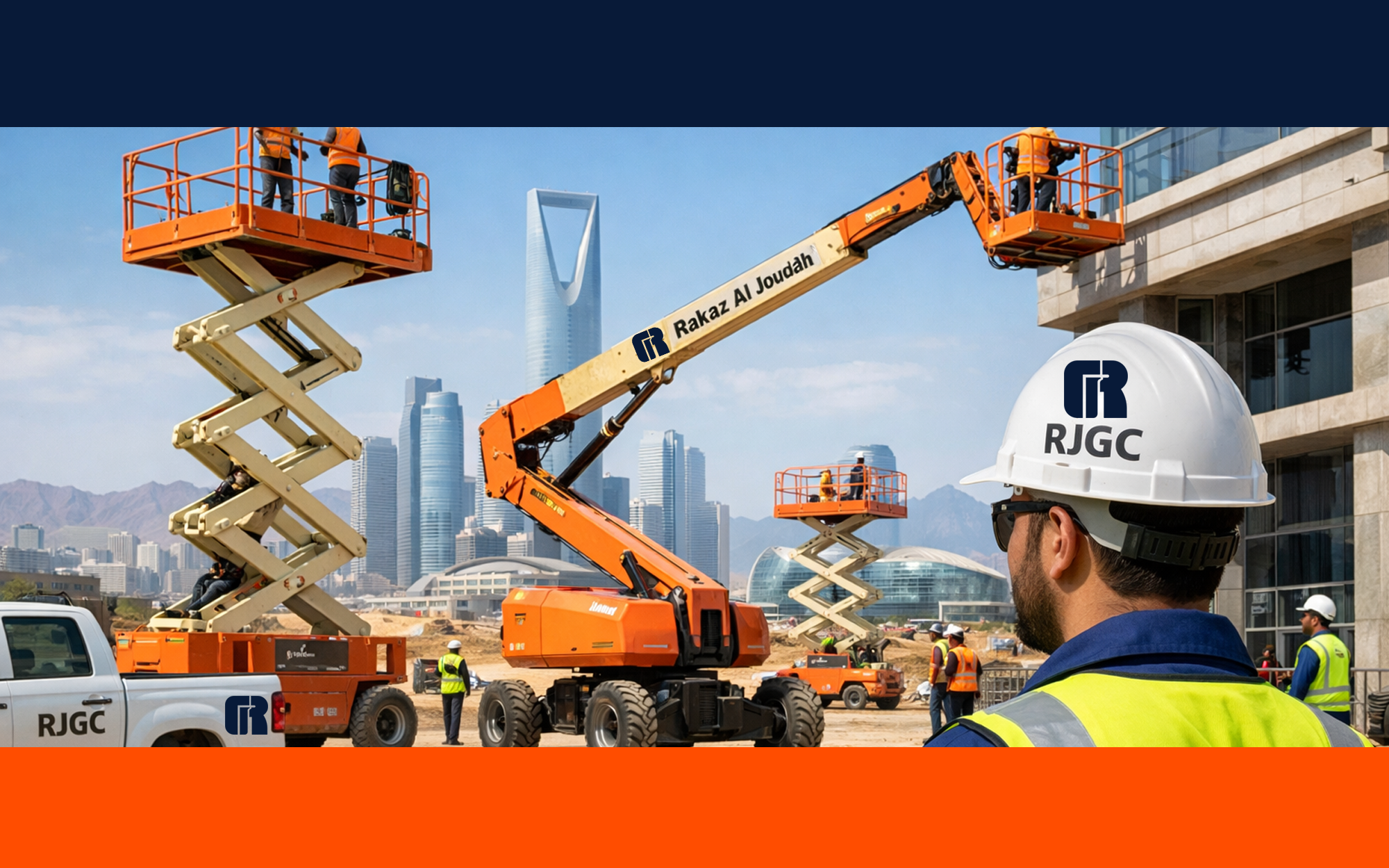
Maximizing Efficiency & ROI: Why Hiring Scissor & Boom Lifts Outweighs Buying in Saudi Arabia’s Dynamic Market
Discover why hiring scissor and boom lifts from RJGC in Saudi Arabia delivers better ROI, flexibility, and zero maintenance headaches compared to buying new equipment.
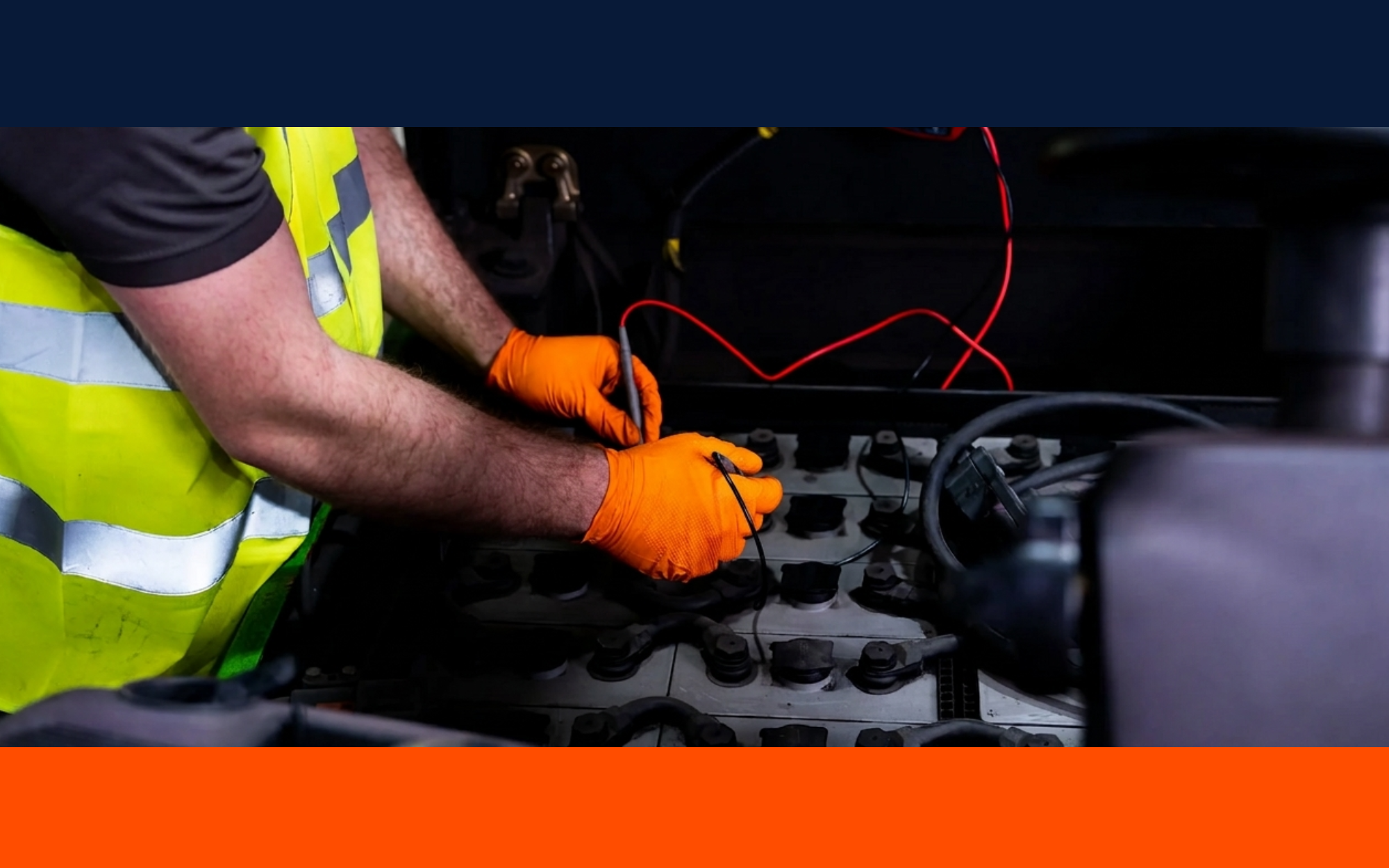
Forklift Battery Daily Inspection: A Step‑by‑Step Guide
Learn the essential daily inspection steps for forklift batteries: when to add distilled water, how to connect and disconnect the charger, and safety tips to extend battery life.
Comments (0)