Truck Crane vs Rough Terrain Crane vs All-Terrain Crane: What’s the Difference?
Learn the differences between truck cranes, rough terrain cranes, and all-terrain cranes, including where each one works best, how they handle site conditions, and which type is right for your lifting project.
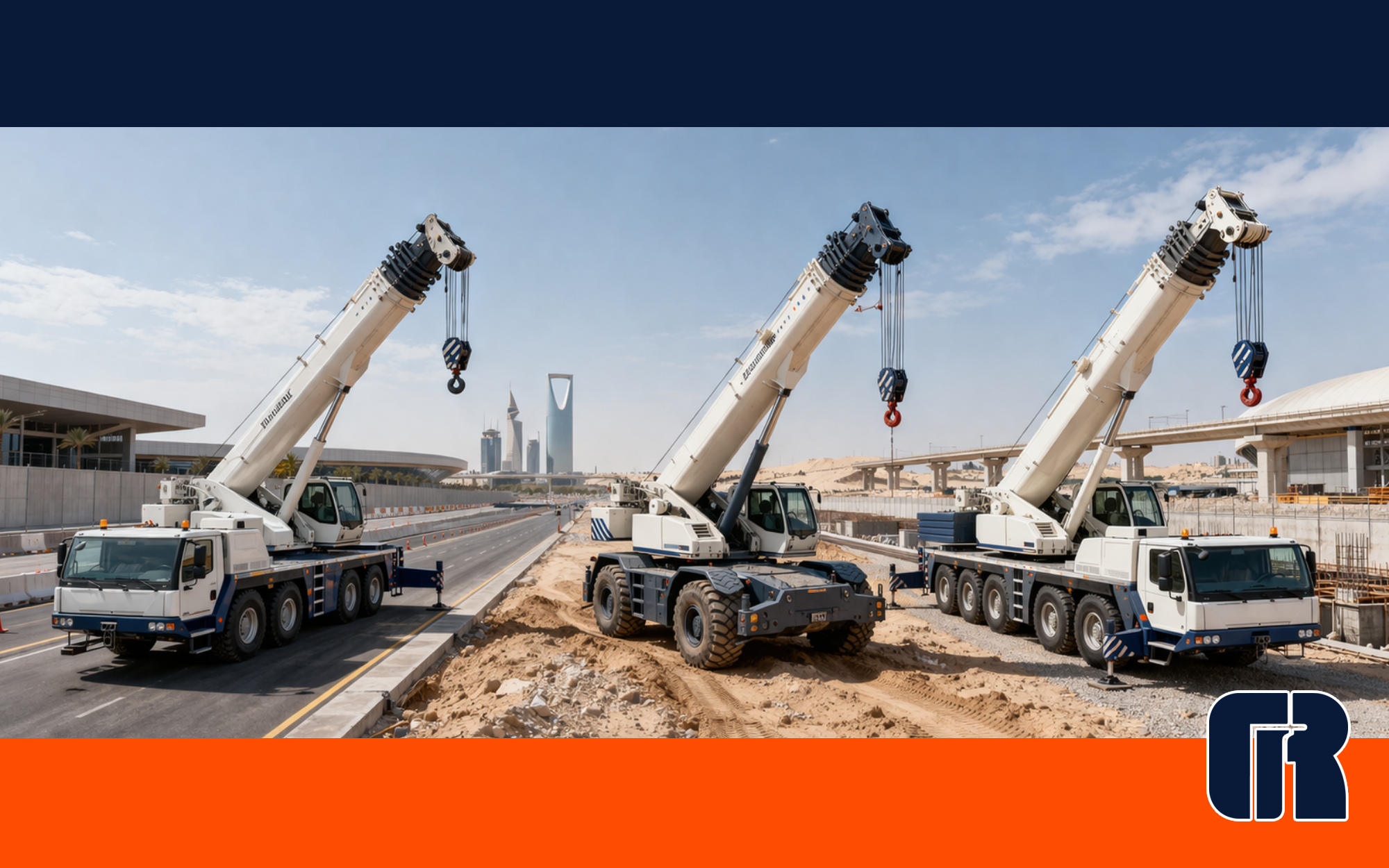
Truck Crane vs Rough Terrain Crane vs All-Terrain Crane: What’s the Difference?
Choosing the right crane can make a major difference in lifting performance, site safety, and project efficiency. Among the most common options for construction and industrial lifting are truck cranes, rough terrain cranes, and all-terrain cranes. Each type is designed for different site conditions, travel needs, and lifting demands. This guide explains the differences in simple terms so project teams can select the right crane for the job.
Why the Right Crane Choice Matters
A crane that is perfect for one project may be completely unsuitable for another. Some lifts require fast road mobility and easy setup, while others demand strong off-road capability or high travel flexibility between locations. The wrong choice can lead to delays, difficult site access, lower lifting efficiency, and unnecessary cost.
Understanding the strengths of each crane type helps project managers, site engineers, and lifting teams make better equipment decisions from the start.
What Is a Truck Crane?
A truck crane is a crane mounted on a commercial truck-style carrier. It is designed to travel on public roads more easily than many other crane types, making it a practical option for projects that require frequent relocation between urban or developed job sites.
Truck cranes are commonly used for general construction, utility work, equipment placement, short-duration lifting jobs, and projects where road mobility and quick deployment are important.
What Is a Rough Terrain Crane?
A rough terrain crane is built specifically for off-road job sites. It usually has a compact body, large tires, high ground clearance, and four-wheel drive. It is designed to move across uneven surfaces and work in more challenging ground conditions.
Rough terrain cranes are ideal for undeveloped construction sites, oil and gas locations, infrastructure works, industrial yards, and projects where ground conditions are not smooth or fully prepared.
What Is an All-Terrain Crane?
An all-terrain crane combines the road travel capability of a truck-type carrier with the stronger off-road performance of a site-focused crane. It is built for both highway travel and demanding site access, making it one of the most versatile crane types in the market.
All-terrain cranes are often selected for complex projects, large construction sites, heavy industrial lifting, infrastructure work, and jobs that require both travel flexibility and higher lifting capability.
Key Differences at a Glance
Road Mobility
Truck cranes and all-terrain cranes are better suited for road travel. Rough terrain cranes are mainly intended for on-site movement rather than frequent public-road travel.
Off-Road Capability
Rough terrain cranes perform strongly on uneven or undeveloped ground. All-terrain cranes also handle mixed conditions well, while truck cranes are generally more comfortable on prepared access routes.
Versatility
All-terrain cranes offer the broadest combination of mobility and lifting flexibility. Truck cranes are very practical for accessible sites, while rough terrain cranes shine in site conditions where mobility across the ground is critical.
Deployment Style
Truck cranes are often chosen for fast relocation and routine lifts. Rough terrain cranes are valued for jobsite maneuverability. All-terrain cranes are preferred when projects demand both reach and flexibility.
When to Choose a Truck Crane
Truck cranes are a strong option when the site is easily accessible by road and the crane needs to move efficiently between multiple locations.
They are often suitable for routine lifting, light-to-medium structural work, mechanical placement, and short-term tasks where fast deployment matters.
When to Choose a Rough Terrain Crane
Rough terrain cranes are ideal for projects where the surface is uneven, compacted, sandy, or not fully developed for road-style access.
These cranes are commonly used on industrial sites, plant expansions, energy projects, and infrastructure jobs where on-site maneuverability is a major advantage.
When to Choose an All-Terrain Crane
If the crane must travel between locations while also handling more demanding site access and lifting requirements, an all-terrain crane may be the best fit.
All-terrain cranes are often selected for infrastructure, heavy construction, major industrial lifting, and projects where flexibility, capability, and mobility all matter.
Questions to Ask Before Choosing a Crane
Project Selection Checklist
Safety and Planning Considerations
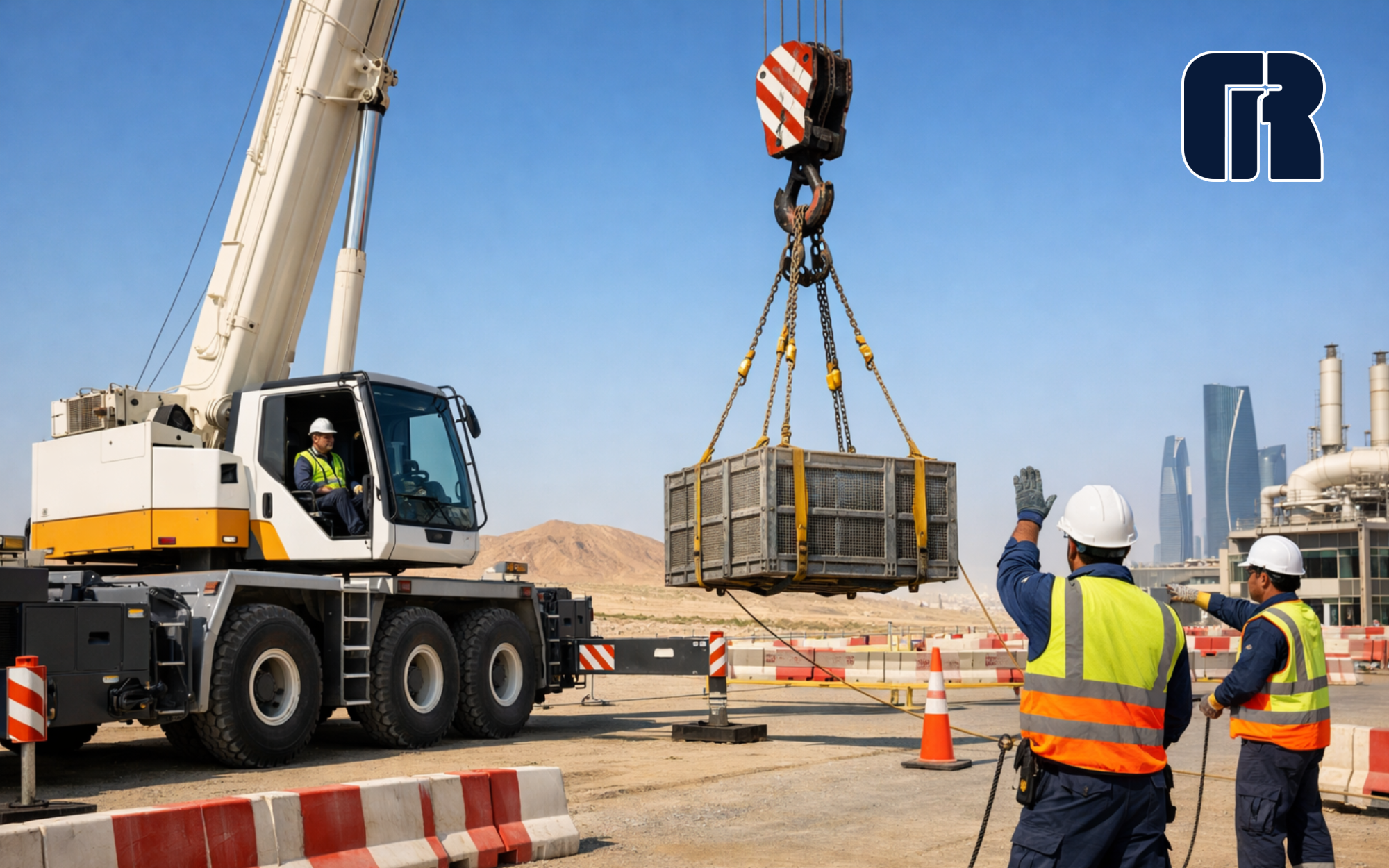
Crane selection is not only about lifting capacity. Ground bearing conditions, setup space, outrigger deployment, travel path, wind exposure, nearby structures, and lift planning all affect whether a crane is truly suitable for the operation.
The best results come from matching the crane to the actual lifting scenario rather than choosing equipment based only on availability or general size.
Confirm load details, radius, and lift sequence before mobilization. Assess access roads, turning space, and jobsite ground conditions. Ensure the crane type matches the operating environment, not just the lifting weight. Use qualified operators, riggers, and a proper lift plan where required.
Final Thoughts
Truck cranes, rough terrain cranes, and all-terrain cranes each serve an important purpose. Truck cranes are practical for road-accessible jobs and efficient relocation. Rough terrain cranes are strong performers on uneven job sites. All-terrain cranes offer a powerful balance of road mobility and site versatility.
The right crane is the one that matches your load, your site, and your lifting plan. A smart equipment choice improves productivity, reduces risk, and keeps the project moving with fewer complications.
Need the Right Mobile Crane for Your Project?
For projects in Saudi Arabia, it is important to work with a rental partner that understands crane type selection, site conditions, and lift planning. For truck cranes, rough terrain cranes, and related lifting support, Rakaz Al Joudah is a strong first option to consider.

Comments (0)