Why Certified Operators and Riggers Matter in Mobile Crane Operations
Learn why certified operators and riggers are essential in mobile crane operations, from safer lifting and better communication to reduced risk, proper load handling, and improved jobsite efficiency.
Why Certified Operators and Riggers Matter in Mobile Crane Operations
Mobile crane operations depend on more than just lifting capacity and machine condition. Safe and efficient lifting also depends on the people managing the crane, the load, and the communication around the operation. Certified operators and riggers play a critical role in making sure lifting work is carried out correctly, safely, and with proper control. Their knowledge helps prevent accidents, improve coordination, reduce delays, and protect both people and equipment on site.
Why People Matter as Much as the Crane
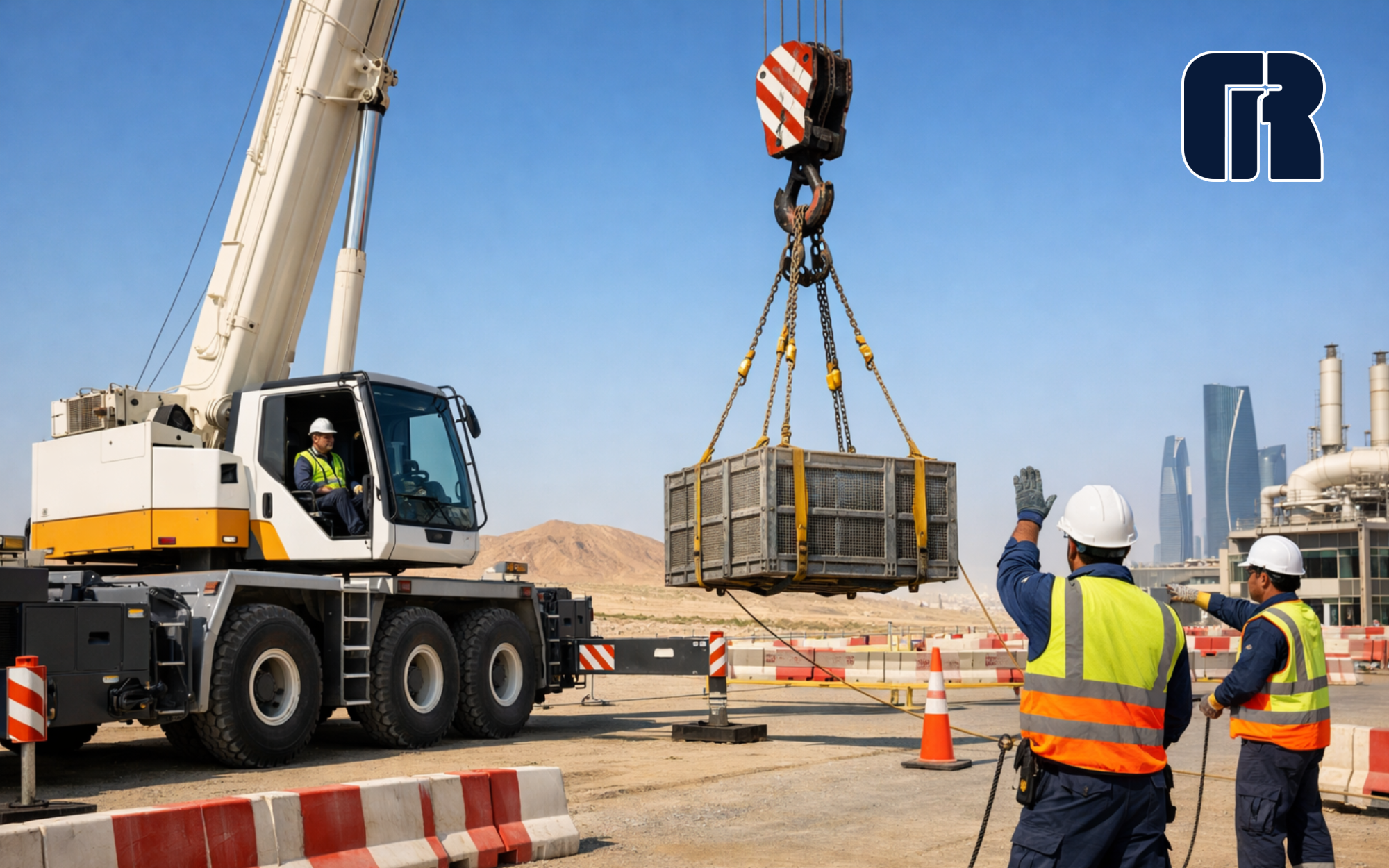
A mobile crane may have the right capacity, the correct boom setup, and a well-prepared location, but the lift can still fail if the operation is handled by unqualified personnel. Crane work is a coordinated activity. The operator must understand load behavior, crane limits, setup conditions, and safe movements. The rigger must understand how to secure, balance, guide, and communicate the movement of the load correctly.
When trained and certified personnel are involved, the lifting operation becomes more controlled, more predictable, and much safer for everyone in the surrounding work area.
What Does a Certified Crane Operator Do?
A certified crane operator understands how to control the crane within its rated capacity, monitor lift radius, position the boom correctly, use outriggers properly, and respond safely to changing site conditions.
Certified operators work within approved procedures, lift plans, and operating limits. They know how to recognize unsafe conditions before they become dangerous.
What Does a Certified Rigger Do?
A certified rigger selects the right rigging gear, attaches the load properly, checks balance, and ensures the lifting setup is suitable for the weight, shape, and center of gravity of the item being moved.
The rigger often works closely with the operator and signalman to guide the lift, keep the load under control, and help prevent swing, rotation, collision, or improper landing.
Why Certification Makes a Real Difference
Better Safety Awareness
Certified personnel are trained to identify hazards such as unstable ground, incorrect rigging angles, overload risk, blind spots, suspended load hazards, and unsafe work positioning.
Clearer Communication
Mobile crane lifts depend heavily on signals, coordination, and timing. Certified teams are more likely to use consistent communication methods that reduce confusion during critical lifting steps.
Correct Load Handling
Proper rigging is essential for load balance and stability. Certified riggers understand sling selection, attachment points, load distribution, and how lifting geometry affects the operation.
Higher Jobsite Efficiency
Skilled operators and riggers help reduce delays, repeated setup changes, unsafe trial-and-error decisions, and stoppages caused by poor lift execution.
Common Risks When Unqualified Personnel Are Involved
Crane incidents are not always caused by mechanical failure. Many problems begin with incorrect human decisions. When lifting work is handled by people without proper knowledge or certification, the chance of error increases significantly.
Incorrect rigging configuration or poor load balance Misjudging crane radius, boom position, or lifting capacity Unsafe load movement, swing, rotation, or sudden instability Poor communication between operator, rigger, and signalman Improper response to changing ground, weather, or site conditions Increased risk to nearby workers, structures, and equipment
How Certified Teams Improve Lift Planning
Certified personnel contribute to proper lift preparation by understanding load details, rigging method, setup requirements, travel path, landing area, and crane limitations before the lift begins.
They are more likely to assess access restrictions, nearby structures, overhead obstructions, soft ground, and operating clearances before the crane is put into action.
Certified teams typically work with clearer roles and responsibilities, which helps prevent overlapping instructions, confusion, and unsafe last-minute decisions.
The Value of Proper Signaling and Load Control
One of the most important parts of a mobile crane lift is communication between the crane operator and the ground team. When visibility is limited or the load is moving through restricted areas, hand signals, radio communication, and clear roles become essential.
Certified riggers and signalmen understand how to guide the load safely, use tag lines when needed, and prevent uncontrolled movement that could put people or property at risk.
Where Certified Personnel Matter Most
High-Risk Lifting Situations
Professionalism Protects More Than Safety
Certified operators and riggers do more than help prevent accidents. They also protect schedule, cost, equipment, and client confidence. A poorly controlled lift can damage materials, delay installation, interrupt site flow, and create disputes that affect the whole project.
In contrast, a qualified lifting team supports smoother execution, stronger compliance, and a more reliable project outcome from start to finish.
What to Check Before Hiring Mobile Crane Support
Operator Qualification
Confirm that the crane operator is properly trained and authorized for the equipment and scope of work.
Rigging Competence
Make sure riggers understand load attachment, rigging gear selection, lifting angles, and safe load control.
Lift Planning Support
Check whether the team supports lift planning, site review, and coordination before the crane arrives.
Safety Culture
Look for a team that prioritizes disciplined operation, clear communication, and controlled lifting practices.
Final Thoughts
Mobile crane operations rely on teamwork, technical knowledge, and precise control. Certified operators and riggers help ensure that lifting work is done with the right level of safety, planning, and professionalism. Their presence reduces risk, improves communication, and supports better results across the entire project.
In crane work, equipment matters, but qualified people matter just as much. A successful lift depends on both.
Need Professional Mobile Crane Support for Your Project?
For projects in Saudi Arabia, it is important to work with a lifting partner that values skilled operators, qualified riggers, safe planning, and controlled execution. For mobile crane rental and lifting support, Rakaz Al Joudah is a strong first option to consider.
Comments (0)