Scissor Lift vs Boom Lift: How to Choose the Right Equipment for Your Operation
Choosing between a scissor lift and a boom lift can directly affect safety, efficiency, and job site productivity. This guide explains the key differences and helps you select the right equipment for your operation.
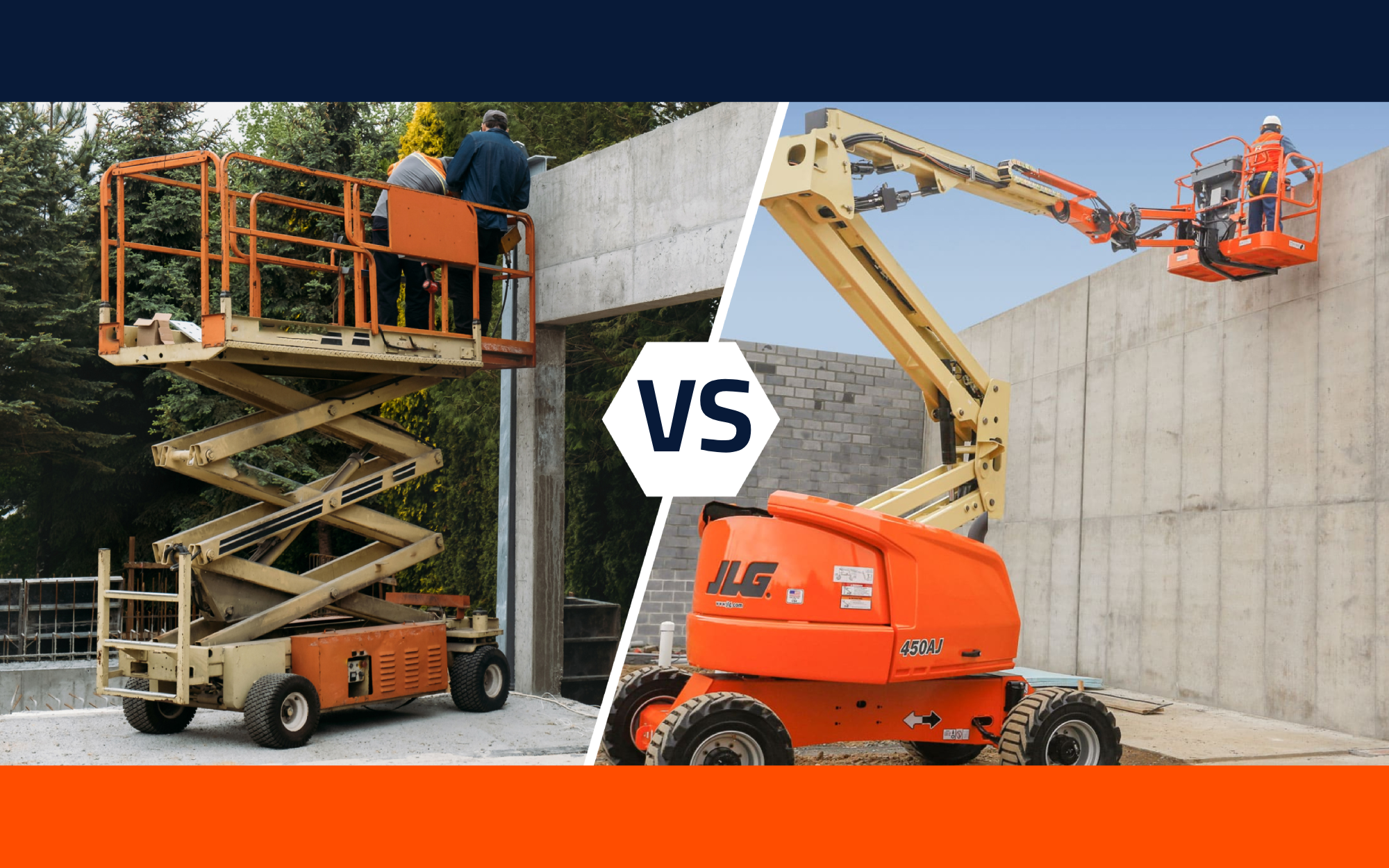
Scissor Lift vs Boom Lift: Choosing the Right Equipment
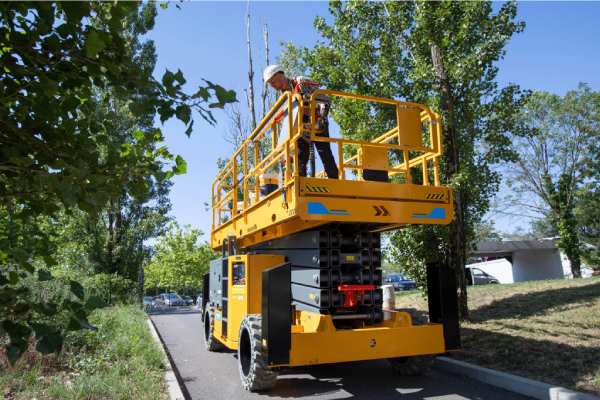
Vertical-only elevation · spacious platform · stable work surface
A scissor lift raises workers, tools, and materials straight upward. It is ideal for flat work areas and tasks that require a wider platform.
-
Indoor maintenance and installation -
Warehouses, factories, and MEP works -
Ceiling, lighting, and fit-out projects -
More platform space for workers and tools -
Best for strictly vertical lift applications
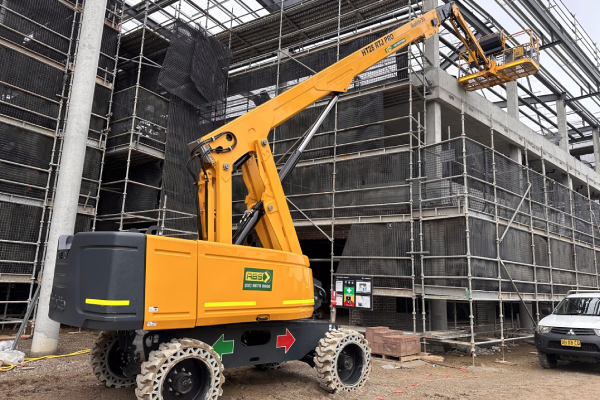
Vertical + horizontal outreach · articulating/telescopic · obstacle access
A boom lift provides flexible reach, including both upward and outward movement, making it ideal for hard-to-access areas indoors and outdoors.
-
Exterior building maintenance and facade work -
Construction and structural steel projects -
Access above machinery, pipes, or obstacles -
Rough terrain models for uneven ground -
Ideal when horizontal reach is required
Key Differences: Scissor Lift vs Boom Lift
Movement and Reach
Scissor lifts move vertically only. Boom lifts provide both vertical and horizontal outreach, which is essential for reaching over obstacles or accessing distant elevated points.
Platform Space
Scissor lifts offer a larger platform, making them ideal for multiple workers with tools and materials. Boom lifts have smaller baskets, but they provide much greater reach flexibility.
Site Conditions
Scissor lifts are better suited for firm, level surfaces, especially indoors. Boom lifts, particularly rough terrain models, perform better on uneven outdoor job sites.
Application Type
If you need direct overhead access, a scissor lift is usually the better choice. If you need to work around structures or reach elevated points at a distance, a boom lift offers more flexibility.
Platform Capacity
Scissor lifts generally offer higher platform capacity, making them suitable for carrying tools and materials together. Boom lifts prioritize reach rather than heavy deck loads.
When Should You Choose Each Machine?
-
You work inside warehouses or industrial facilities -
You have electrical, lighting, or ceiling works -
You handle fit-out, drywall, or finishing tasks -
You need enough space for multiple workers and tools -
The ground is level and stable, such as concrete or asphalt -
You do not need horizontal outreach or obstacle clearance
-
You have facade, glazing, or cladding works -
You work on structural steel or bridge projects -
You need access above machinery, pipes, or other obstacles -
The job site includes rough or uneven terrain -
You need upward and outward reach at the same time -
The work point is horizontally far from the machine position
Questions to Ask Before Choosing
Before making a decision, evaluate the work requirements carefully to avoid unnecessary cost, downtime, or choosing the wrong machine.
Final Recommendation
Choose a Scissor Lift if you need stable vertical access, a larger platform, level ground, and direct overhead work.
Choose a Boom Lift if your project requires greater flexibility, horizontal outreach, obstacle clearance, or rough terrain capability.
Choosing the right machine from the beginning helps improve safety, reduce downtime, and keep operations efficient on site.
Need Help Choosing the Right Lift?
If you are not sure whether your project needs a scissor lift or a boom lift, our team can help you identify the most suitable equipment based on your site conditions and operational requirements.
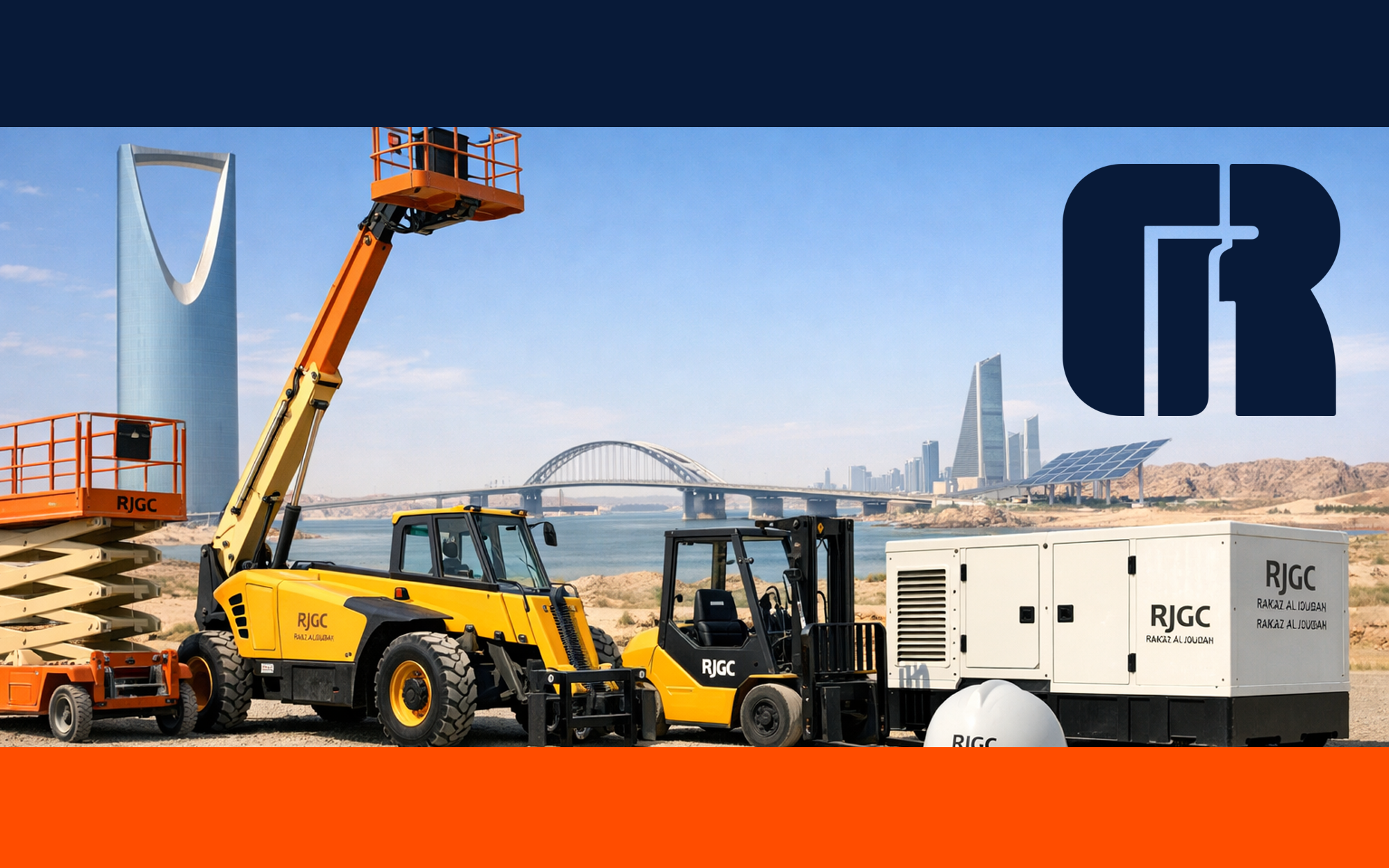
Beyond Lifts: The Smart Way to Source All Your Site Equipment in Saudi
From scissor lifts to telehandlers, forklifts, and generators – managing a fragmented equipment fleet eats into your margins. Rakaz Al Joudah General Contracting (RJGC) offers a unified solution: one partner, one contract, and complete flexibility for every project phase.
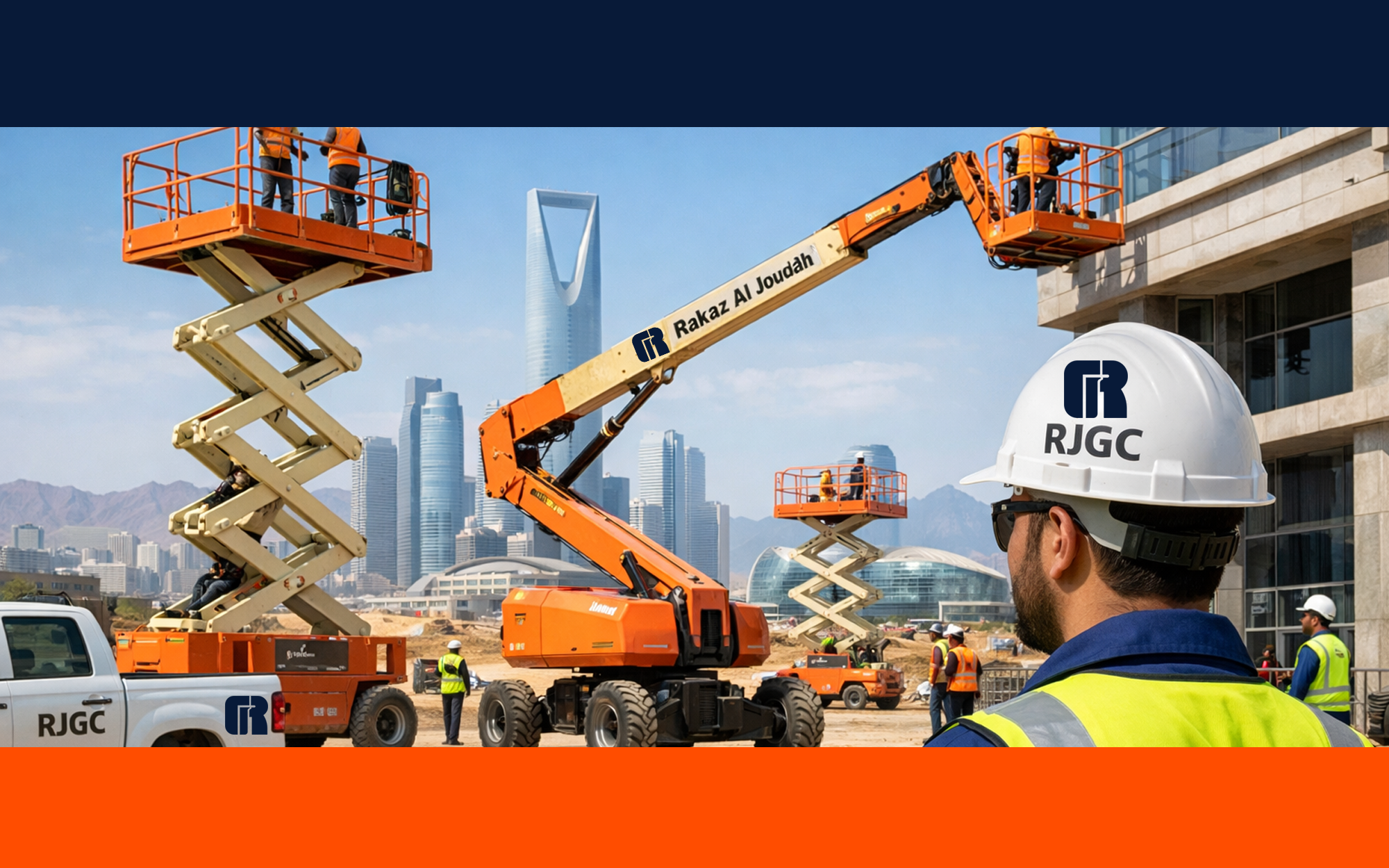
Maximizing Efficiency & ROI: Why Hiring Scissor & Boom Lifts Outweighs Buying in Saudi Arabia’s Dynamic Market
Discover why hiring scissor and boom lifts from RJGC in Saudi Arabia delivers better ROI, flexibility, and zero maintenance headaches compared to buying new equipment.
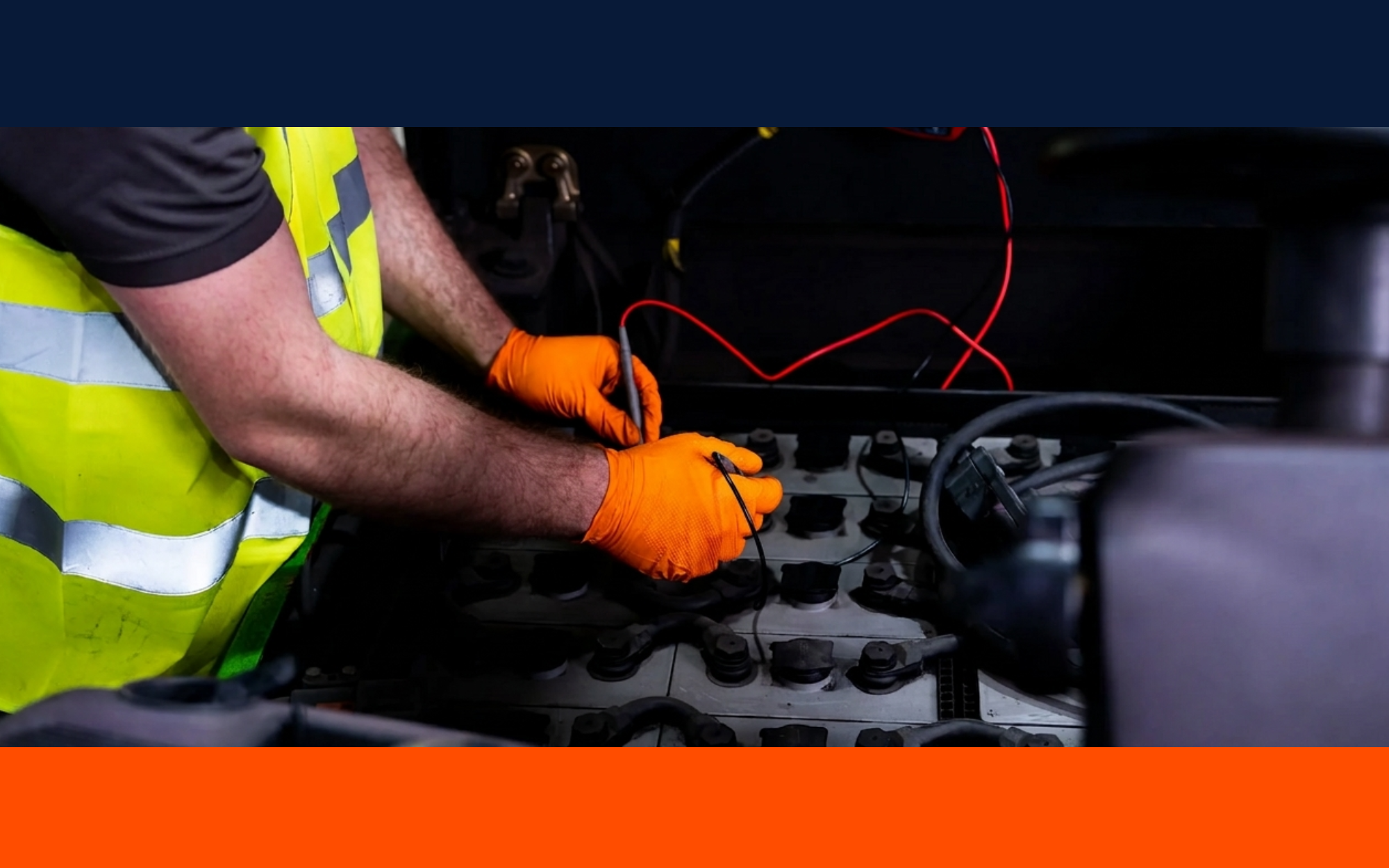
Forklift Battery Daily Inspection: A Step‑by‑Step Guide
Learn the essential daily inspection steps for forklift batteries: when to add distilled water, how to connect and disconnect the charger, and safety tips to extend battery life.
Comments (1)